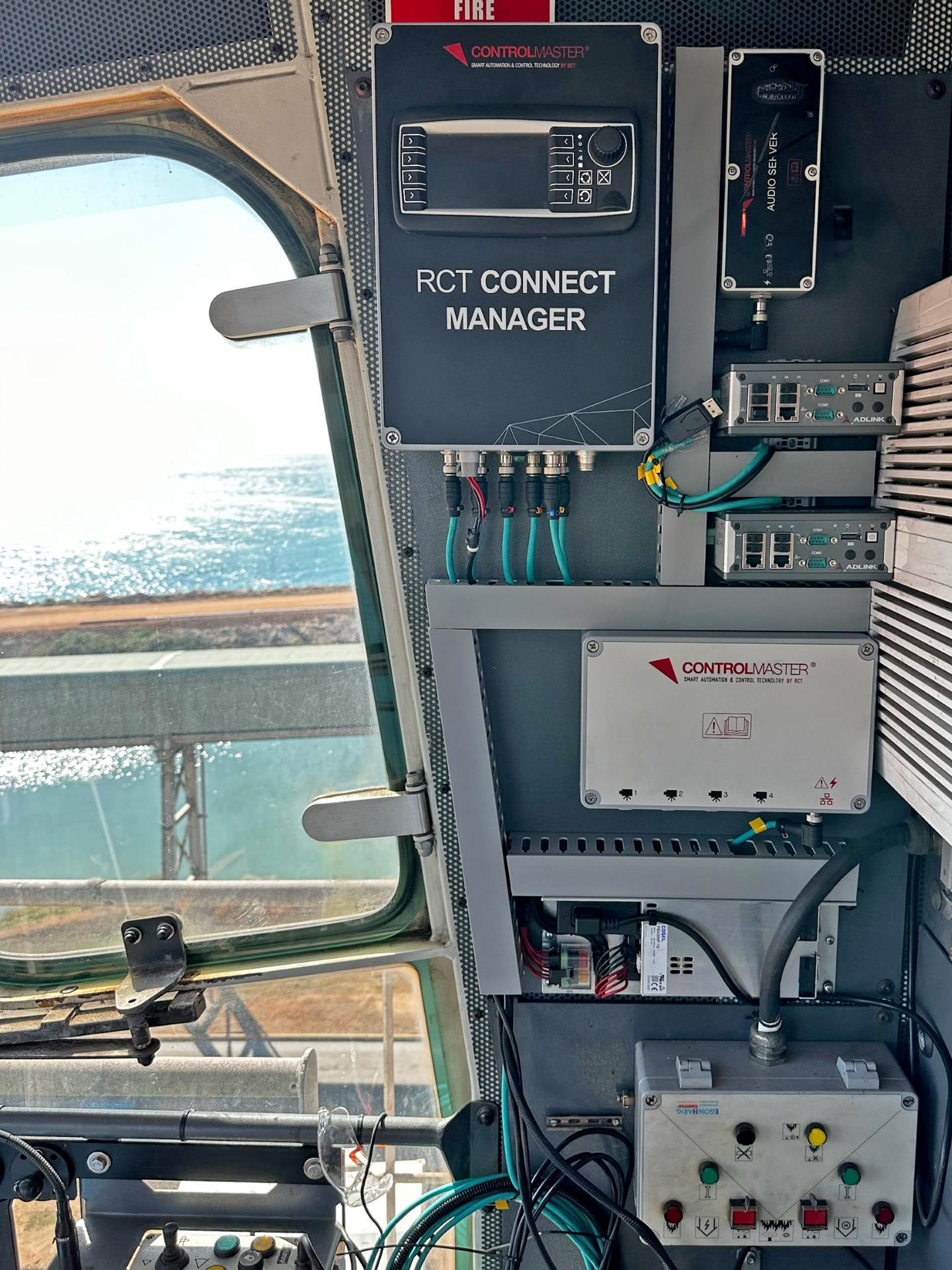
RCT - Powered by Eprioc's AutoNav Tele (tele-remote) is enhancing narrow vein mining at the Vertex-operated Reward Gold Mine site at Hill End.
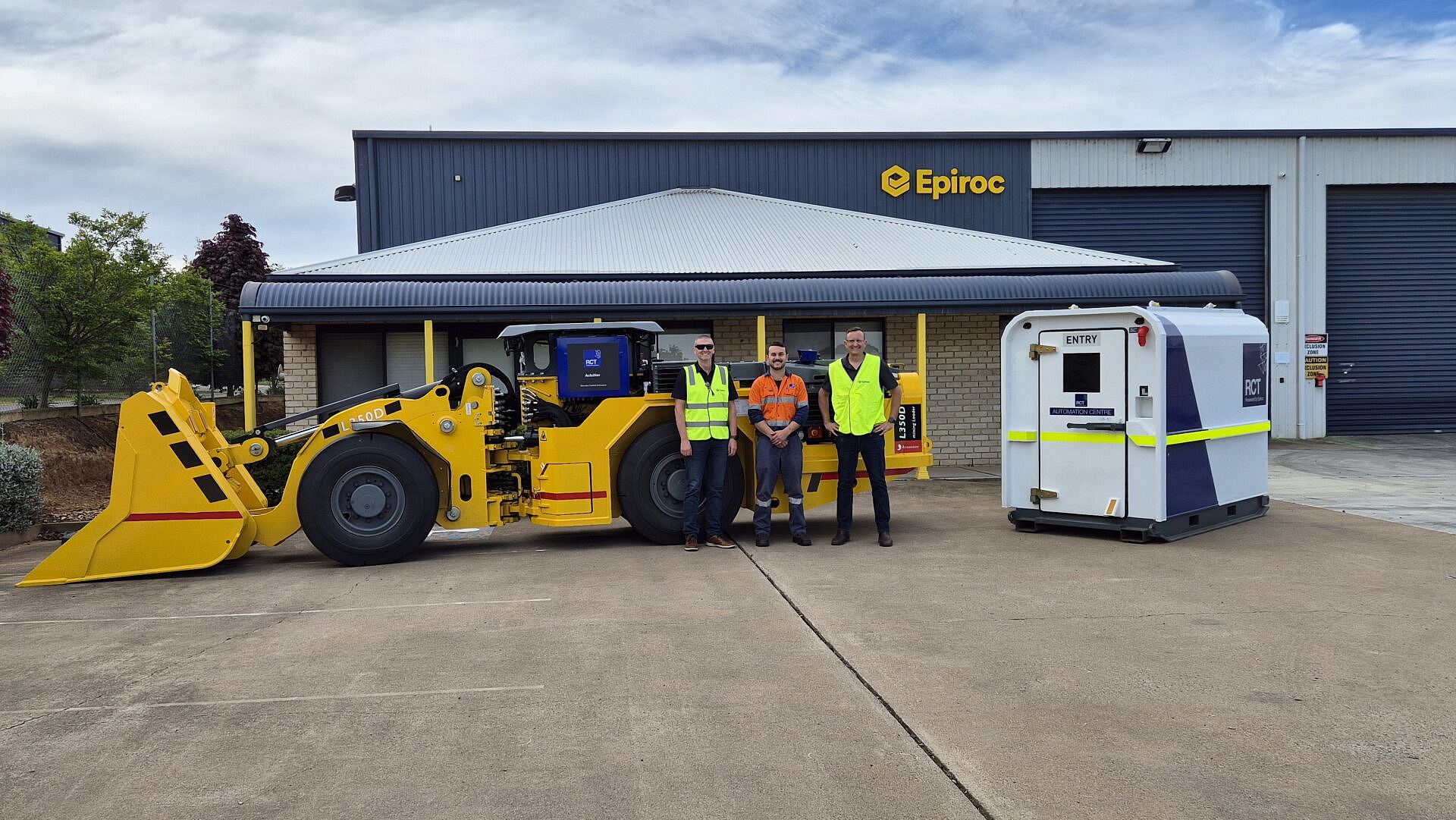
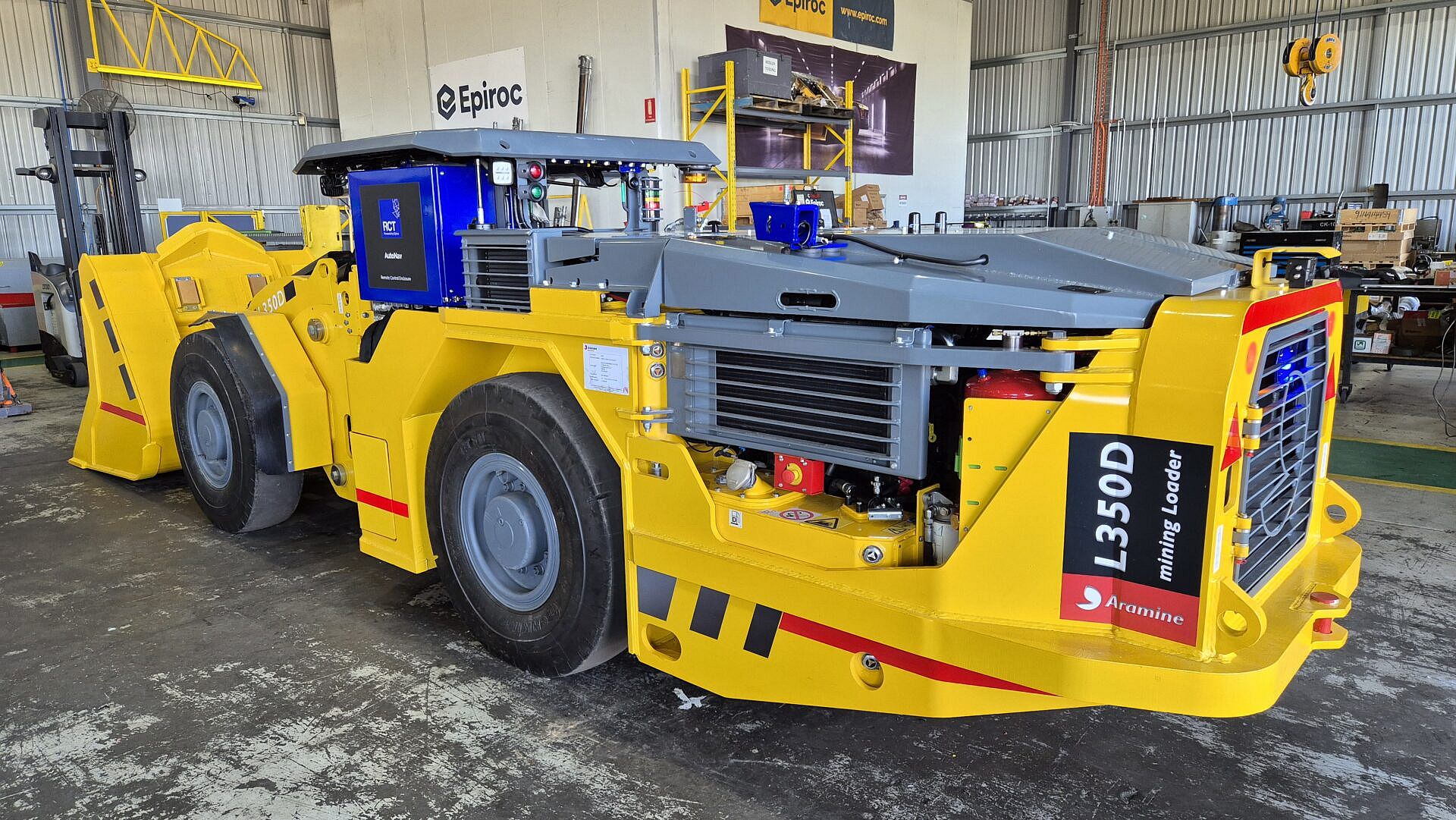
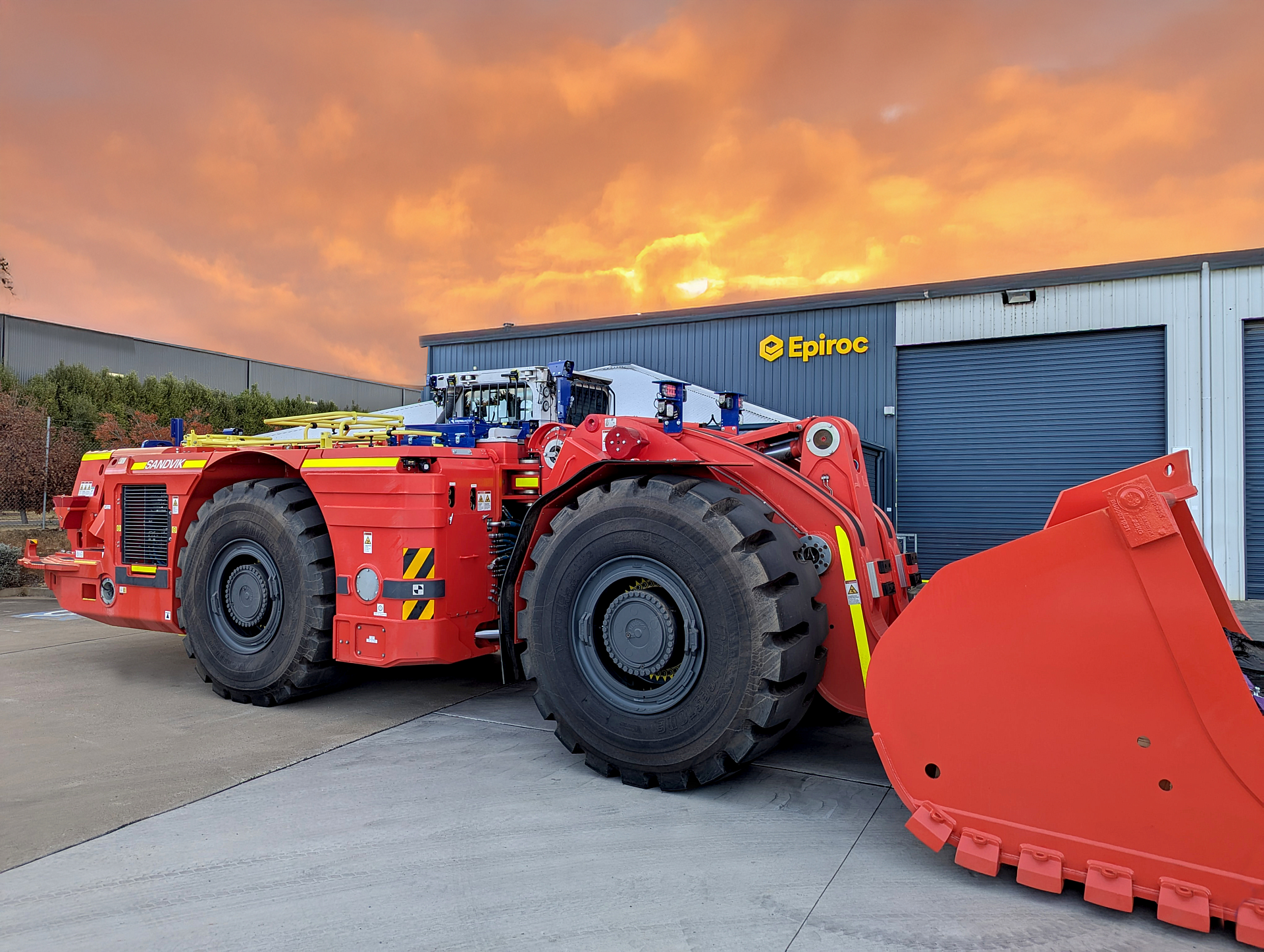
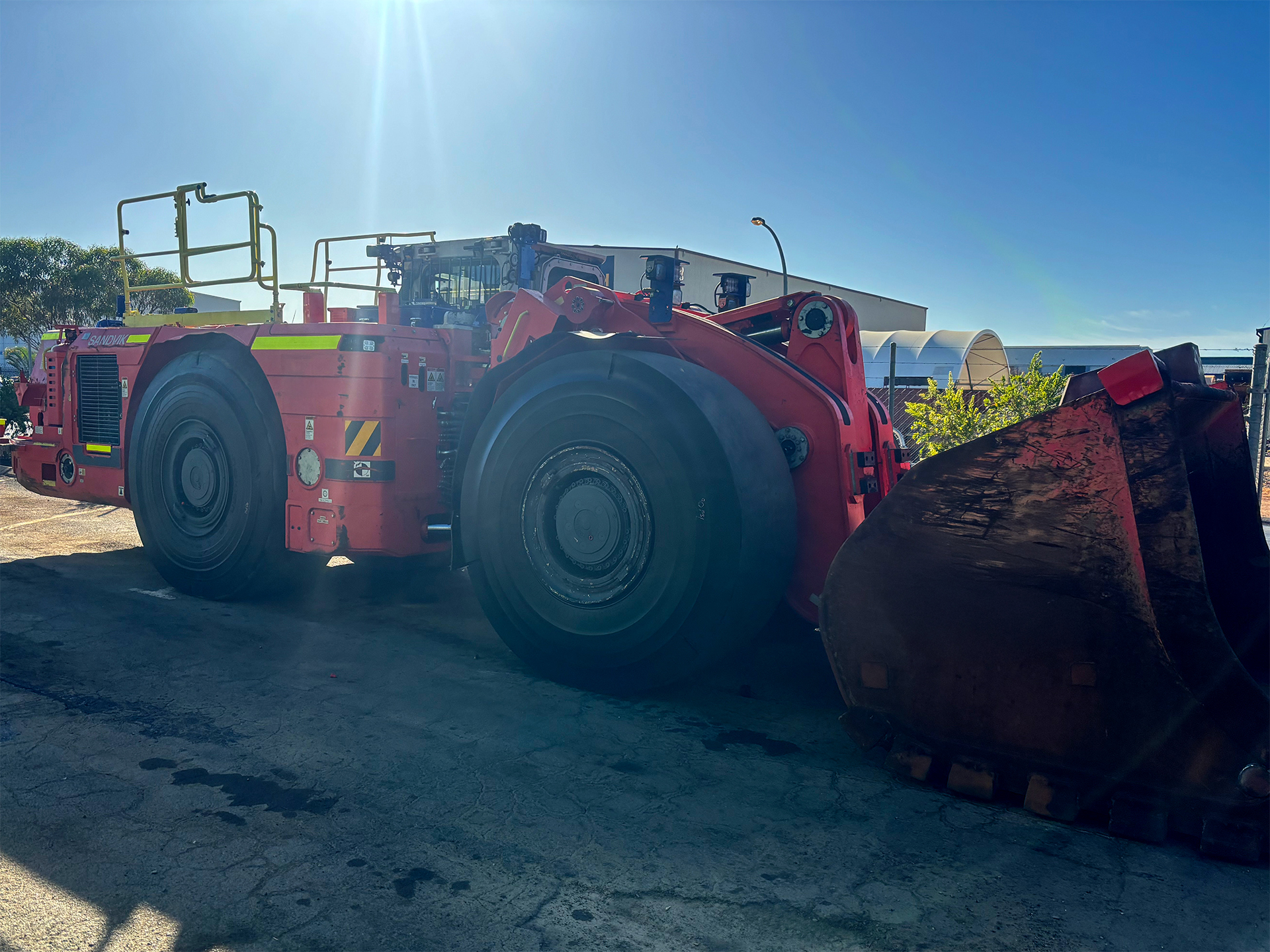
The state-of-the-art, agnostic automation technology has been installed on the Aramine L350D mining loader, which recently arrived from France to Epiroc's Orange Service Centre.
The small underground loader is uniquely designed for narrow vein mining, making it the perfect fit for the mining operation in New South Wales, Australia.
The historic gold mining town lay dormant for decades after mining operations ceased around 2010. Today, the site is undergoing a revival with the construction of a brand-new plant tailored for small-scale mining.
"This is more than just a machine installation," said East Coast Branch Manager, Owen Perrott.
"We're introducing technology that can access areas previously unreachable, in this narrow vein mine, unlocking gold reserves left behind for decades," he added.
With the Aramine machine, Vertex aims to efficiently extract gold from narrow, hard-to-reach veins, demonstrating the potential for innovative technology in small-scale mining operations.
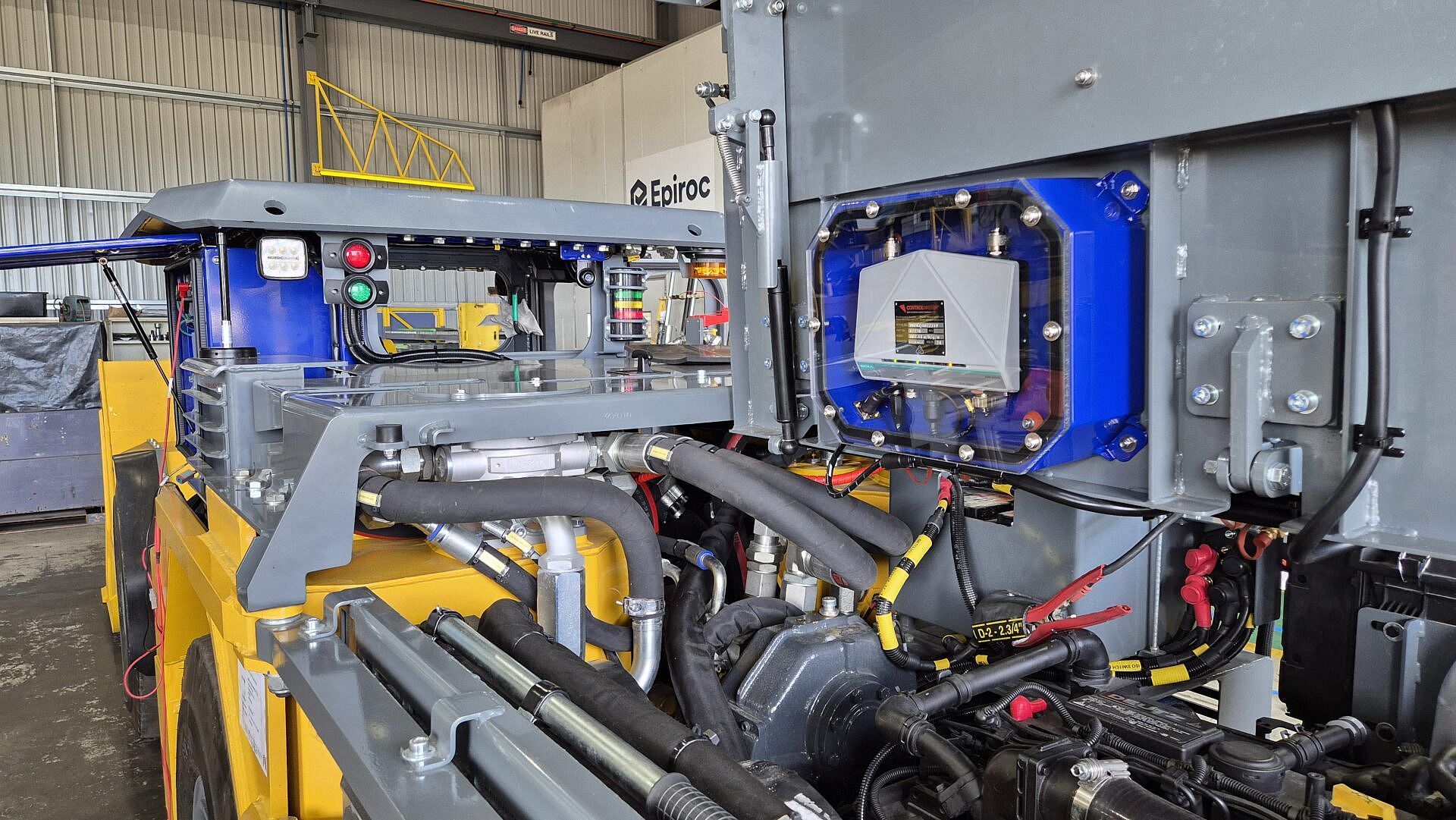
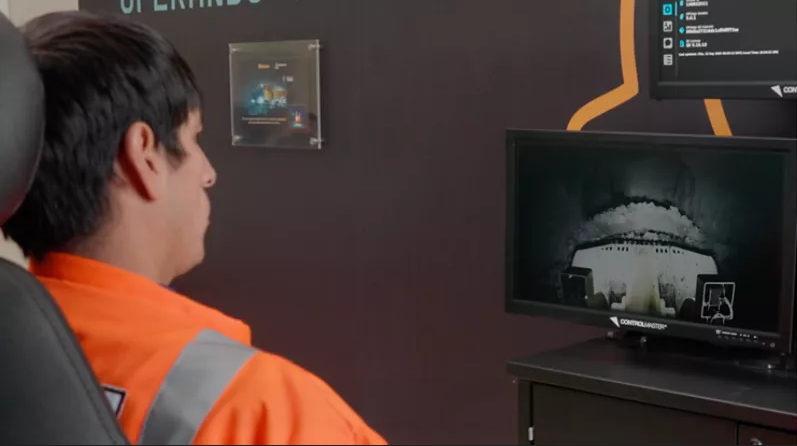
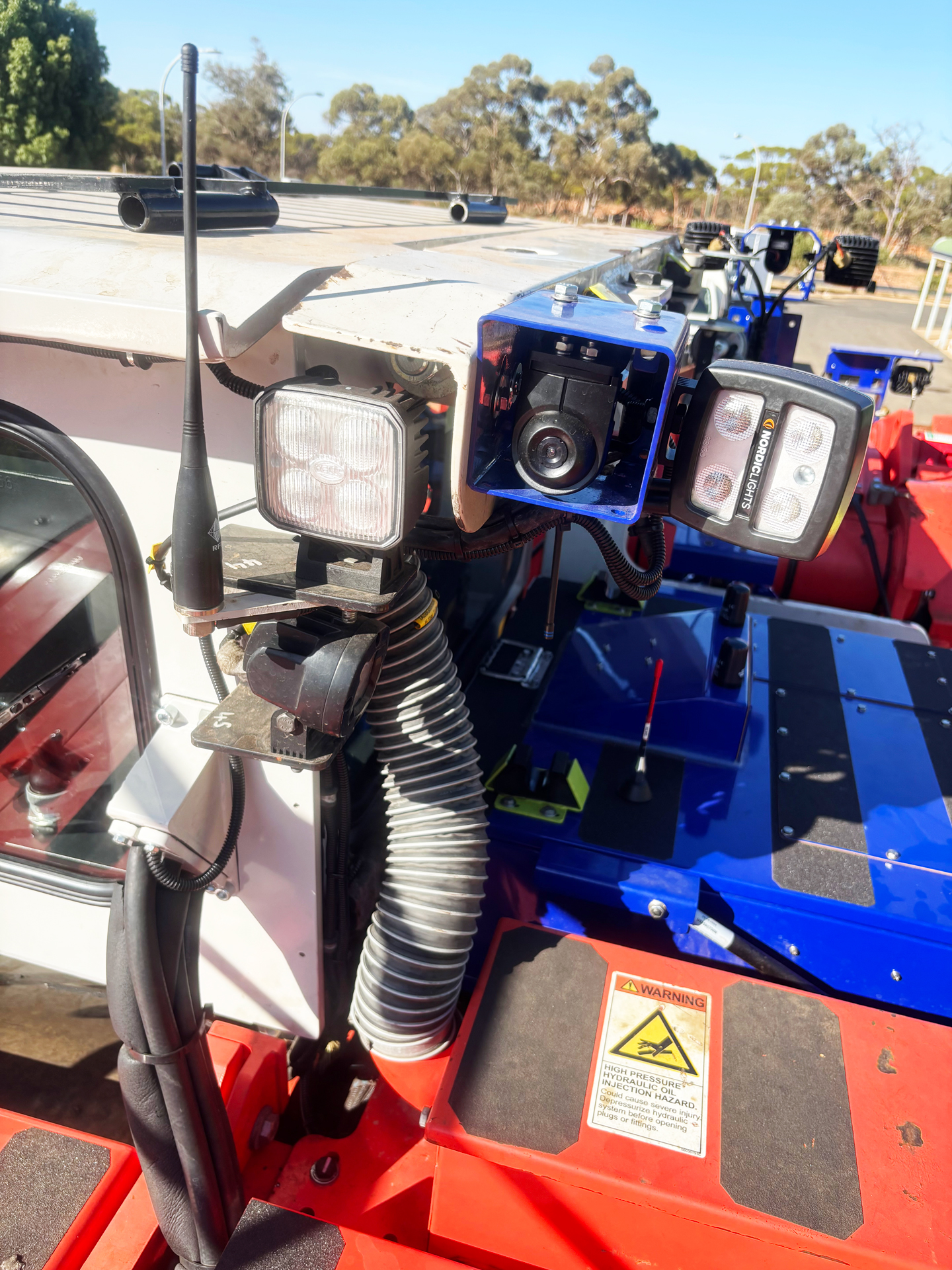
RCT's AutoNav Tele allows operators to control the loader with the same functionalities from a safe location, removing them from the machine and allowing it to access the narrow vein mines with ease.
This is the first time the team has installed its technology on Vertex's Aramine loader, and we are proud to be the technology provider of choice for the project.
"Design was completed in collaboration between our experienced Field Service Technician, Tim Halstead, based in Orange, and the Brisbane Branch team," said Mr Perrott.
The installation was challenging due to the machine’s size and limited available space and required the team to collaborate with Aramine to ensure the machine met Australian Standards.
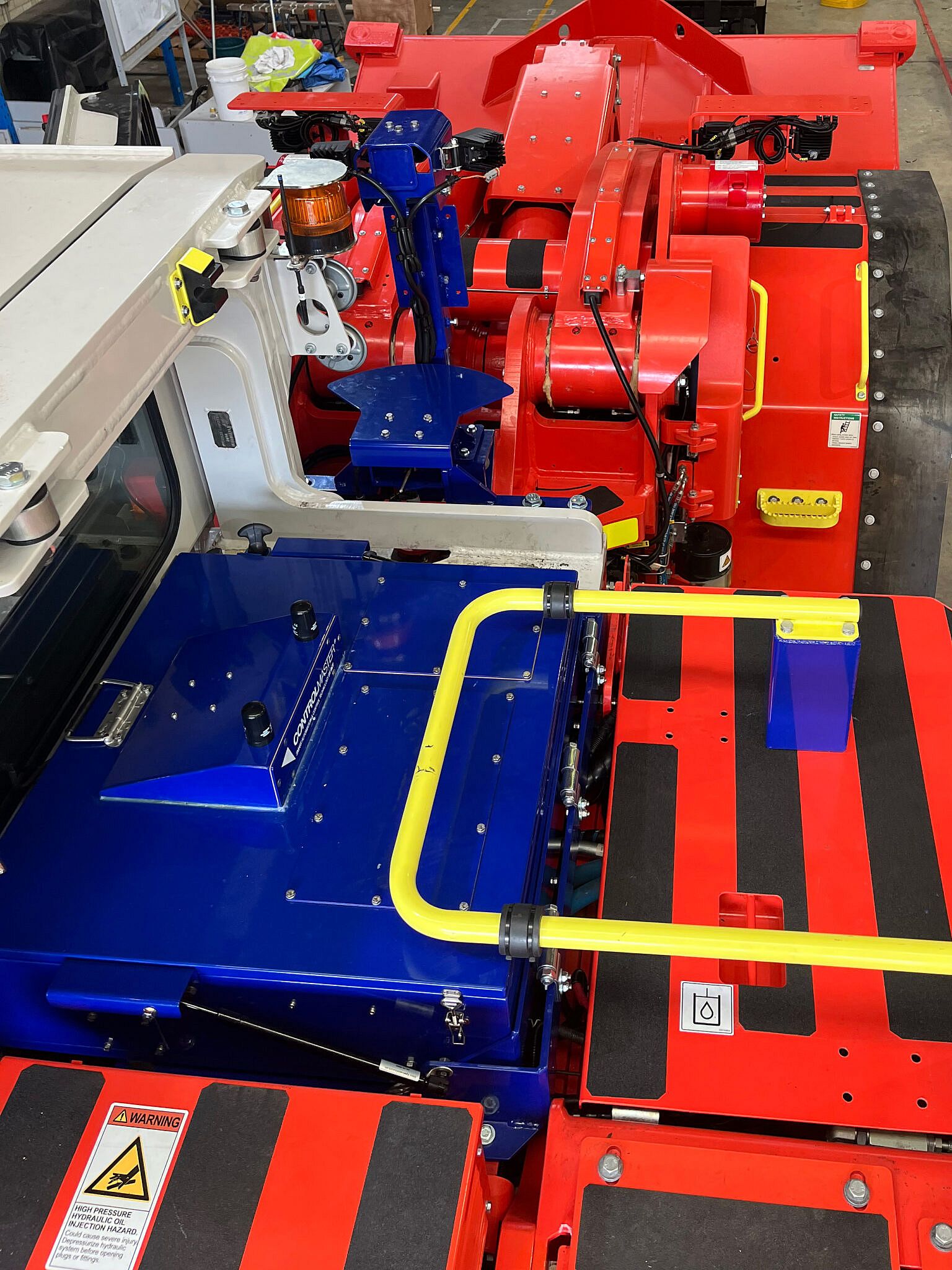
In addition to this, a custom "mini" AutoNav hut was designed and delivered on site to cater to the client’s specific needs.
The mini hut is not typically used at most sites, as it is approximately half the size of a standard AutoNav Centre. This introduced space constraints for the hardware; however, Vertex needed a mini hut to accommodate their mine structure and small portal.
"Due to the demand, I have been receiving from other sites for smaller hut offerings, I thought it would be a good opportunity to design a layout for one, from the ground up," said Mr Perrott.
"The client was extremely happy with the layout and quality of the finished product, and mentioned we should be making more of them, particularly with the previously less profitable small mines coming back to life with the current gold price," added Mr Perrott.
###
For media enquiries, please contact:
Emma Young, RCT Communications Officer
Alpayana and Epiroc have reached a major milestone in Peruvian mining by automating the country’s first Load Haul Dump (LHD) using the agnostic AutoNav solution, a technology that enables remote control of multiple units and strengthens a scalable, safe, and efficient operating model.
With the opening of the WIRAQ Control Room at the Morococha Mining Unit and the implementation of Epiroc’s AutoNav technology, operators can now monitor and operate equipment simultaneously and remotely, without needing to physically enter the mine.
At more than 4,300 meters above sea level, mining operations face critical challenges in access, safety, and connectivity. The ability to operate underground equipment from the surface-level WIRAQ Control Room accelerates the transition toward a safer, more efficient, and more sustainable operation.
This milestone marks the beginning of a new era for underground mining in Peru.
“At Alpayana, we are committed to innovation, safety, and efficiency, and the inauguration of the WIRAQ Control Room at the Morococha unit is proof of that commitment. Thanks to our partnership with Epiroc, we have implemented state-of-the-art technology that enables us to operate equipment autonomously, reduce risks, and optimize processes,” said Alessandra Mandriotti, Manager of Transformation, Talent and Technology at Alpayana.
“At Epiroc, we have automated more than 1,300 underground loaders worldwide, consolidating our expertise in smart mining through agnostic solutions. In Peru, we have already implemented these automation solutions in open-pit mining. Today, we celebrate a new milestone together with Alpayana: the commissioning of the first automated loading unit in underground mining. This achievement reaffirms our commitment to driving innovation and safety across the mining industry,” said Dewi Cano, Business Line Manager, Andean–Caribbean Region.
###
For media enquiries, please contact:
Emma Young, RCT Communications Officer
A world-class gold mine’s fleet of four Sandvik LH621i loaders utilises RCT’s multi-machine automation system, AutoNav, on site and has done for years to reliably improve safety and productivity.
So, when the site purchased four more machines to add to their fleet, the decision to again choose RCT’s proven agnostic automation technology was an easy one.
The open pit and underground gold operation operates its fleet of AutoNav loaders from three AutoNav Centres, strategically placed on site at various, safe vantage points.
“Operators manage the autonomous loaders from two surface stations and one underground cabin, keeping them safely out of hazardous environments,” said Brisbane Branch Manager, Owen Perrott.
The installation of AutoNav on four more Sandvik LH621i loaders was carried out seamlessly by our talented team.
“RCT offered local support by our talented local techs,” said Mr Perrott.
Standardising automation across a fleet isn’t just common practice, it’s a strategic move that drives efficiency.
“There is a myriad of benefits from having the same automation applied across a client’s entire fleet, said Mr Perrott.
“This includes an increase in productivity across the board as everyone is familiar with the technology and how it works.”
“It also streamlines the operator training process,” he added.
“The site is a long-term client, and we are proud to be their agnostic automation supplier of choice.”
“We have a great relationship with this well-known underground mining services company and are proud of the work we do to deliver to their specific needs,” said Mr Perrott.
The lease life was recently extended and RCT looks forward to continuing its partnership, providing advanced, scalable automation solutions that evolve with the site’s future needs.
###
For media enquiries, please contact:
Emma Young, RCT Communications Officer
RCT - Powered by Epiroc are proud to have worked with Fortescue at its flagship iron ore mine and production site, Solomon to further grow their Non Line of Sight (NLOS) fleet on site and in turn further drive efficiency and productivity.
The company, well-known in the industry for its autonomous operations, has now added five NLOS excavators to its ever-expanding fleet, thanks to the team at RCT- Powered by Epiroc.
RCT’s Perth Solutions Team was tasked with the design, installation and commissioning of two CAT 350 Excavators and four D10T Dozers with AutoNav Tele, RCT’s Teleremote control solution, which allows the operator to control the machines from the comfort of an automation centre.
“It allows them to comfortably control machines in real-time with the help of strategically placed cameras and sensors,” said RCT’s Solutions & Customer Service Manager for RCT Perth, Steven Appleton.
Even though the operator is removed from the cab of the machine, they receive real-time data through a graphical interface and a touch display which provides them with instant access to machine data and operational insights.
“While AutoNav Tele is stage 2 of RCT’s Automation journey, our technology range is fully scalable and can grow with Solomon’s mining needs, if necessary,” he added.
At Solomon these automated machines are used as ancillary machines for rock breaking and tray cleaning (back scratching) as required on site.
“This task requires an operator to control the machine for very short bursts of time, meaning there was a lot of coming and going which is quite time consuming and results in lost time,” said Mr Appleton.
“Our AutoNav Tele technology eliminates this downtime by removing them from the cab of the machine and allowing them to attend to a number of other tasks in the interim, instead of having them sit idle in the machine, waiting to be picked up each time.”
At Solomon the operators are controlling multiple machines from an AutoNav Centre, located in an office location on site, which also plays a part in reducing downtime associated with shift changeovers etc.
RCT training was also provided to operators and maintenance staff to ensure the technology can be self-sufficient on site.
Our technology has been in place some time now and the feedback from the client has been positive.
###
For media enquiries, please contact:
Emma Young, RCT Communications Officer
The RCT - Powered by Epiroc team at the Mt Isa branch has successfully completed its first installation of the AutoNav system on a CAT R2900 XE Hybrid loader for AIC Mines at the Eloise Copper Mine in Northwest Queensland.
The new machine was purchased by AIC Mines to support its ongoing efforts to extract high-grade ore from its underground copper and gold mine, which has been in production since 1996.
The Eloise Copper Mine has a long-standing relationship with RCT, with the Mt Isa branch providing state-of-the-art solutions to the site for over 20 years.
"As a result, the site is operating with our automation technology across most of its fleet including their CAT R2900Gs," said Mt Isa Branch Manager, Danny Ballard.
"This marks the first time the branch has worked with CAT's Hybrid loader, presenting a new platform for innovation," he said.
While it was the first time the branch had installed the technology on this specific loader, the talented team were able to deliver the project in a similar timeframe to that of a standard installation.
“This achievement is a testament to the dedication and expertise of our team at the branch, who have gone above and beyond to ensure the project's success,” said Mr Ballard.
Eloise mine site is renowned in the mining industry for its high-grade copper ore, and has recently undertaken an expansion project which includes an access drive to the Jericho ore body. The Jericho Access Drive commenced in June last year and connect from the Eloise decline.
"It's this ore body that positions AIC Mines to be a major player in the copper market for years to come, so it's a good feeling knowing they will do this with RCT's technology," he added.
At present, the site operates all RCT-equipped mining machines from cabins, located underground.
"Plans are in progress to establish an Automation Centre on the surface, aimed at enhancing safety and productivity over shift change to enable operators to work during blasting."
"RCT's agnostic AutoNav solutions are designed to be scalable, allowing us to adapt to the evolving needs and demands of the site, both now and in the future," he said.
Operators and maintenance staff at Eloise have undergone training to ensure they are able to be self-sufficient on site. However, as with all our clients, RCT is always on hand for support when needed.
"The team are always willing to go the extra mile for our clients and our relationship with Eloise is no different."
"We will be here to support their continued growth every step of the way," he added.
Mr Ballard said the Hybrid loaders are proving to be very popular in the Mt Isa region.
"The XE loaders have been well received in the northwest, and I expect we will see continued demand to fit RCT's AutoNav solutions to these machines as their popularity grows in the area."
###
For media enquiries, please contact:
Emma Young, RCT Communications Officer
RCT - Powered by Epiroc has successfully deployed its advanced agnostic AutoNav automation technology at a gold project in the Goldfields, marking a significant milestone in mining innovation and safety at the site.
This project, comprising of two sites, saw the deployment of RCT’s agnostic AutoNav system on a fleet of Sandvik LH517i loaders—with three machines installed at each site.
These loaders are operated from strategically placed AutoNav Centres, improving operator safety and increasing overall efficiency.
RCT was already a long-term client and therefore had already established both surface-based control centre and underground control cabins, offering flexibility and a safe, ergonomic working environment for operators.
“By allowing the operators to work in modern control centres, we’re delivering not just safer working conditions, but also measurable improvements,” said RCT Account Manager, Shane Smith.
“RCT’s AutoNav system ensures loader precision which in turn reduces wear and tear and fuel consumption, ensuring a cost-effective operation,” he said.
“Our system is well known for it’s ease of use, low maintenance and ability to scale across multiple sites,” he added.
###
For media enquiries, please contact:
Emma Young, RCT Communications Officer
Stawell Gold Mine, 250km northwest of Melbourne, is no stranger to RCT – Powered by Epiroc. The site has been leveraging our technology to boost safety and productivity for more than 20 years.
So, when the site recently purchased two CAT 2900XE (diesel-electric) underground mining loaders to add to their fleet, they chose RCT to automate them with its multi-machine automation solution, AutoNav.
The decision to employ RCT technology was driven by its agnostic capabilities. Stawell needed to utilise their new CAT loaders alongside their existing Epiroc ST18S underground loaders that are currently equipped with RCT automation.
“Having them operate on the same software was essential for the site. They had existing RCT AutoNav Centres on the surface and underground cabins, and site wanted their operators to control all the machines from these cabins,” said RCT Brisbane Branch Manager, Owen Perrott.
The ability to do so ensures that the site doesn’t have to continuously move work areas and operator stations around the site, which can result in a loss of productivity.
“The vast majority of mines operate a single OEM fleet. Very few places operate with different OEM brand machines, which makes this project unique,” he added.
It was also the first time the Brisbane branch has installed AutoNav on this particular model of hybrid CAT machine.
“We are constantly hearing from our clients that they have been told these hybrid machines can’t be automated, so it’s a real buzz for us being able to do it. And do it well,” Mr Perrott said.
While the talented team at the Brisbane branch completed the installation of the new machines (one installation took place at CAT OEM William Adams and the other on site at Stawell), the software upgrade required specialised support from RCT’s Technician Dan Peake, who ensured this new project ran smoothly.
The whole process involved in the roll out of this project was appreciated by the client, with Stawell Gold Mine’s Electrical Superintendent, Luke Norsworthy, stating: “We appreciate the efforts put in by all and understand this can be a quite tricky transition to plan and undertake with our mixed fleet,” he said.
“This particular job required the Brisbane team to communicate with multiple people to ensure it was delivered successfully and I’m really proud of the job they have done,” said Mr Perrott.
###
For media enquiries, please contact:
Emma Young, RCT Communications Officer
A prominent mine in New South Wales, Australia, took a significant step forward in the modernisation of their equipment and operations by going digital with RCT - Powered by Epiroc.
Renowned for extracting tin, lead, and zinc, the site's commitment to innovation has led to this upgrade which will ensure greater efficiency, safety, and sustainability on site.
For years, the site has successfully operated a fleet of CAT 2900s using RCT’s analogue system.
Recently the decision was made to transition their production fleet of CAT 2900s to a full digital system - AutoNav Lite, allowing the site access to enhanced diagnostics and predictive maintenance.
Operators control the Automated LHD machines from customised Telecabins, mounted to Toyota Land Cruiser Utilities.
Now, with the implementation of a digital operation, they can monitor machinery status, from these vehicles without needing to go back to a central control room to observe/diagnose the LHD information.
This significantly increases operational efficiency and improves safety by reducing the time workers spend in potentially hazardous underground areas.
Although these cabins were already in operation, they underwent a customised digital hardware upgrade to meet the site’s specific needs. This included network management, and connectivity, ensuring that even the most remote areas of the mine are always connected.
The site’s move to digital is only the beginning. The company plans to continue refining and enhancing its systems to further optimise machine performance. With new hardware and technology being developed at a rapid pace, the mine owner has an eye on further innovations that will keep the mine at the forefront of the industry.
This digital transition not only strengthens the mine’s operational capabilities but also positions the site as a leader in mining innovation adoption.
For media enquiries, please contact:
Emma Young, RCT Communications Officer
Catalyst Metals' Plutonic gold mine in North Meekatharra, Western Australia, has made the transformative move from analogue to digital operations in preparations for the future of mining technology thanks to RCT - Powered by Epiroc.
This upgrade is not limited to new equipment but also includes comprehensive upgrades to existing machines, including Sandvik and CAT loaders with the implementation of RCT's AutoNav package.
This state-of-the-art technology allows the mobile machines to navigate autonomously with higher precision, ensuring increased productivity and a better overall working environment for operators.
A major highlight of this transition is the adoption of modular platforms, allowing operators to control the loaders from inside the comfort of a light vehicle that they can drive to the working stope. With distances between stopes ranging from 3 to 5 kilometres, this provides a flexible and scalable solution for the site which further drives operational efficiency. In addition, these platforms are designed for easy integration with the newly upgraded digital systems on-site, ensuring seamless communication and data transfer across vast areas of the mine.
To support this digital evolution, the site also upgraded its communication network with RCT Connect, our very own advanced digital Wi-Fi solution.
This upgrade allows operators and maintenance teams to access real-time diagnostics and receive alerts about potential issues before they lead to costly downtime.
Furthermore, the digital systems come with higher tolerance and precision, reducing the likelihood of overheating and other mechanical problems that are often associated with analogue. Therefore, the result is not just improved performance, but also longer equipment lifespans and lower maintenance costs.
This latest transition from analogue to digital represents a pivotal, forward-thinking approach to modern mining, reinforcing Plutonic's commitment to innovation and shaping a more sustainable and technologically advanced future.
###
For media enquiries, please contact:
Emma Young, RCT Communications Officer
A leading West Australian branch of Ports and Bulk is revolutionising its operations with cutting-edge automation from RCT.
RCT was selected to automate a process whereby the wharf crane loads the required product into a ship via a rotating container tipper, ready for transport in a safe, effortless and streamlined way.
Our client was one of Australia’s largest integrated providers of import and export logistics services and is well-known for embracing innovation to enhance financial outcomes, client satisfaction, productivity, efficiency, safety, and environmental performance.
This is exactly what RCT has helped deliver the client through close collaboration from initial concept to completion. Several requirements were identified during the project process, with all these needs being accommodated and incorporated in the final design.
The streamlined process has entailed the deployment of RCT’s agnostic Automation, with a suite of sensors providing instant feedback to the operator for the crane sequence of operation. A self-cleaning camera system was also added on the rotating container tipper to provide instantaneous visual feedback to the operator, to deliver the best results.
“The addition of the cameras and RCT’s data and information system was also necessary to provide instant, vital information to the operator,” said RCT Account Manager, Phill Dean.
“This also provides maintenance staff both a remote and local access to view and confirm machine feedback live. This ensures that operators are made aware of any issues promptly. This was previously relayed by the operator themselves,” he added.
These additional solutions ensure the sea containers are being picked up and its contents dumped onto a ship in a safe, timely and accurate manner.
“There is now a greater transparency of reporting of what is happening, which in turn gives the operator more knowledge of the situation and tools and the ability to improve productivity or stop production immediately if something was wrong,” he said.
“There is lots of value added in the sensor suite. RCT through the collaboration process incorporated more feedback sensors required for operation whilst maintaining the on-machine enclosure configuration maintaining the current distribution panel footprints.”
This is the first time RCT has participated in a project of this scope, therefore it was tasked to RCT’s bespoke department, RCT Custom, which was executed it effortlessly.
RCT Custom Manager, Steven Appleton said the project was outside the department’s normal remote installation as they weren’t installing the technology on a mobile machine.
“This project required the team to write an automation sequence to a fixed plant and getting the automation right was the most challenging aspect of the project,” he said.
Prior to automating the process, it was a two-person job for safety reasons so there were “eyes” on the ground and from the cab of the crane. The operator was in control of releasing the rotating container tipper locks, lifting the lid, closing the lid, re-locking it, and placing it back down again.
“This process has removed the need for two operators and had automated the sequence into segments which streamline the process,” he added.
The implementation of RCT’s extensive range of solutions not only met all the client’s desired requirements but also played a crucial role in safeguarding operators and significantly reducing dust pollution, which was vital due to the site’s proximity to the town centre.
###
For media enquiries, please contact:
Emma Young, RCT Communications Officer