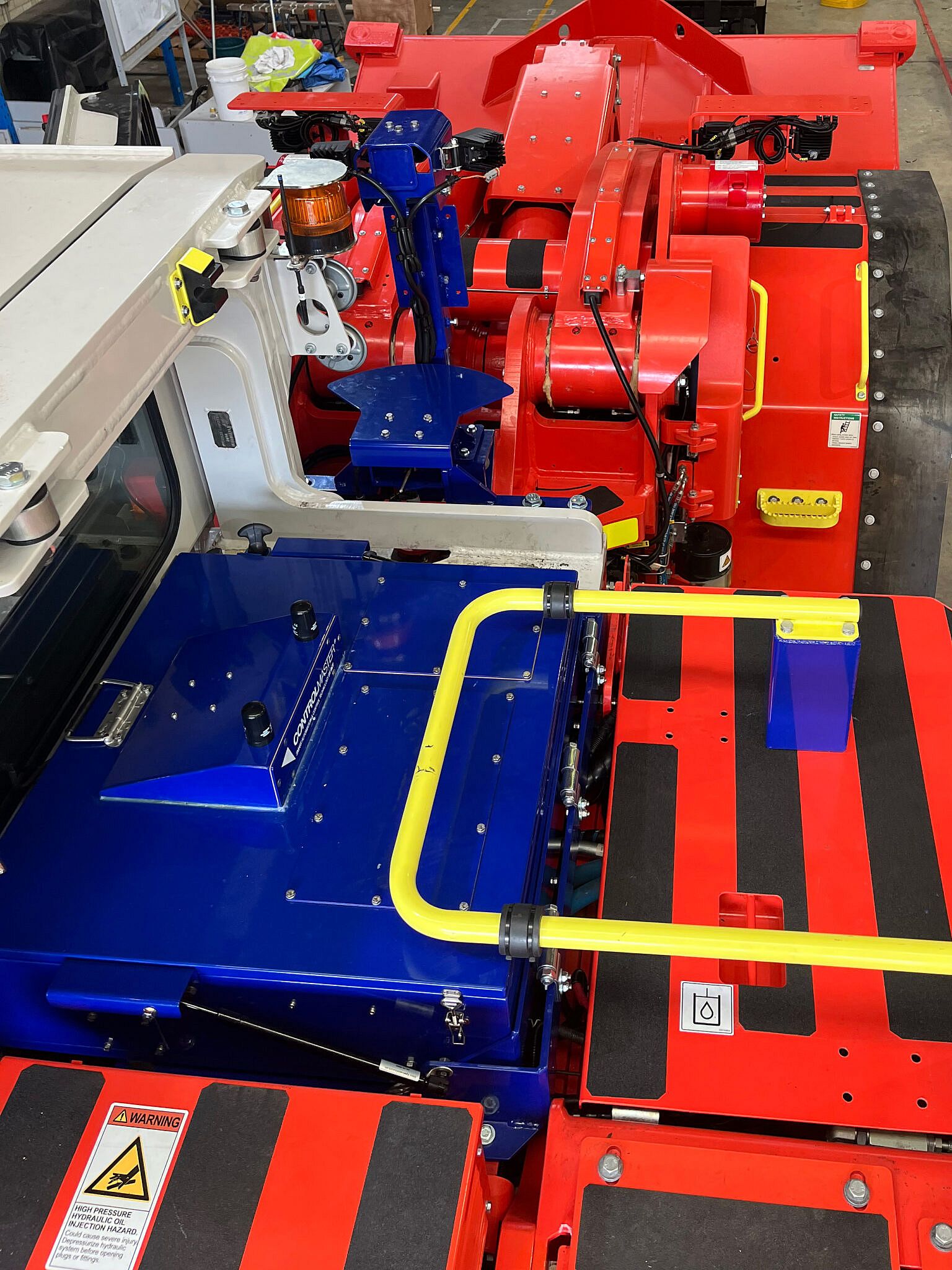
RCT - Powered by Epiroc has played a pivotal role in enhancing safety for operators at an open cut coal mine in Queensland, reinforcing the company’s commitment to protecting personnel in challenging mining environments.
The company recently installed its Machine Interface Controller (MIC) and integrated it with a Collision Avoidance System (CAS) to deliver a Level 9 Earth Moving Equipment Safety Round Table (EMESRT) system, the highest level of safety intervention available in the mining industry.
“This advanced safety system allows automatic mechanical intervention by the system to slow or stop a machine, taking over from the operator when necessary to prevent collisions with pedestrians or other vehicles,” said RCT - Powered by Epiroc’s Project Manager.
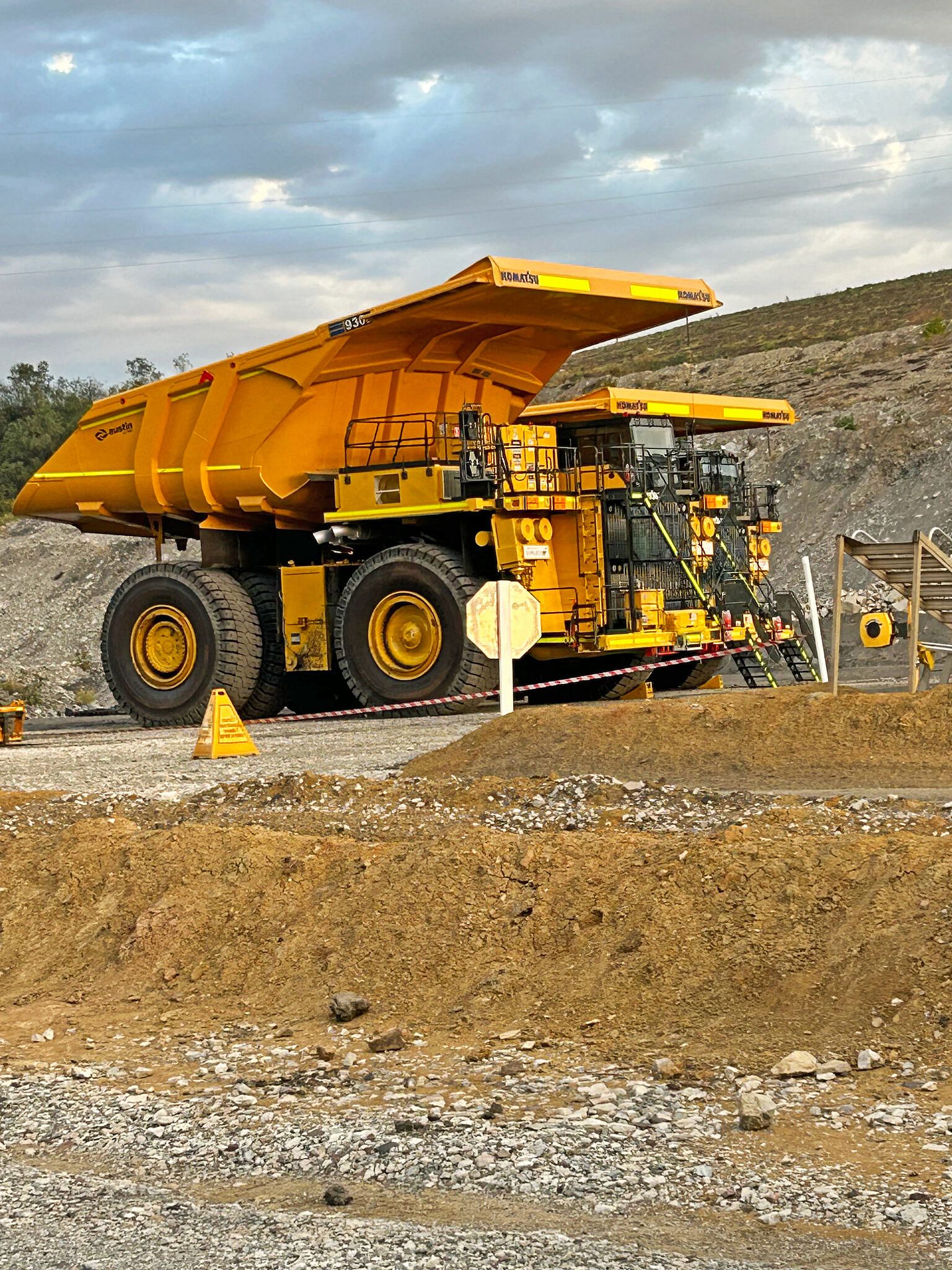
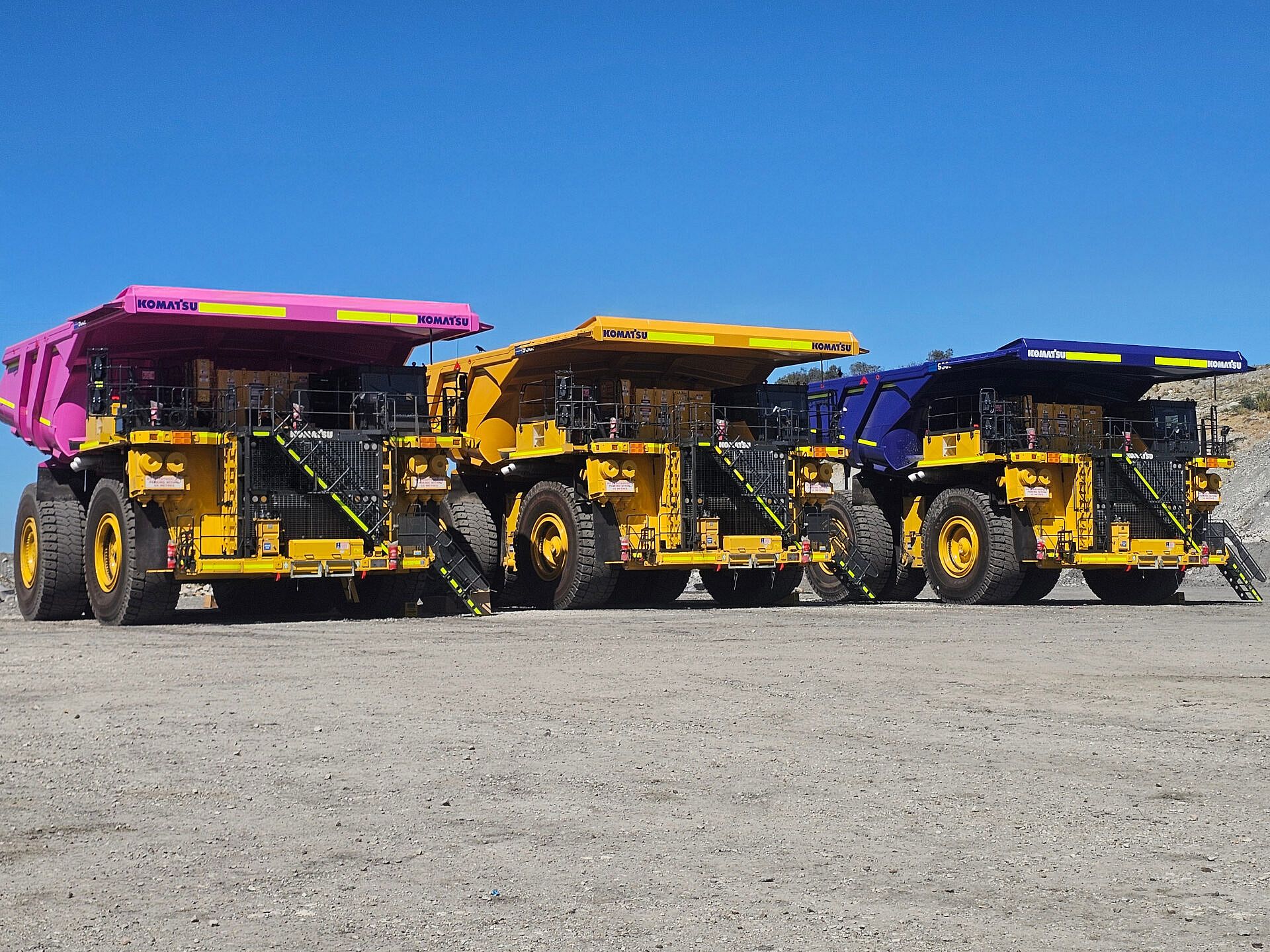
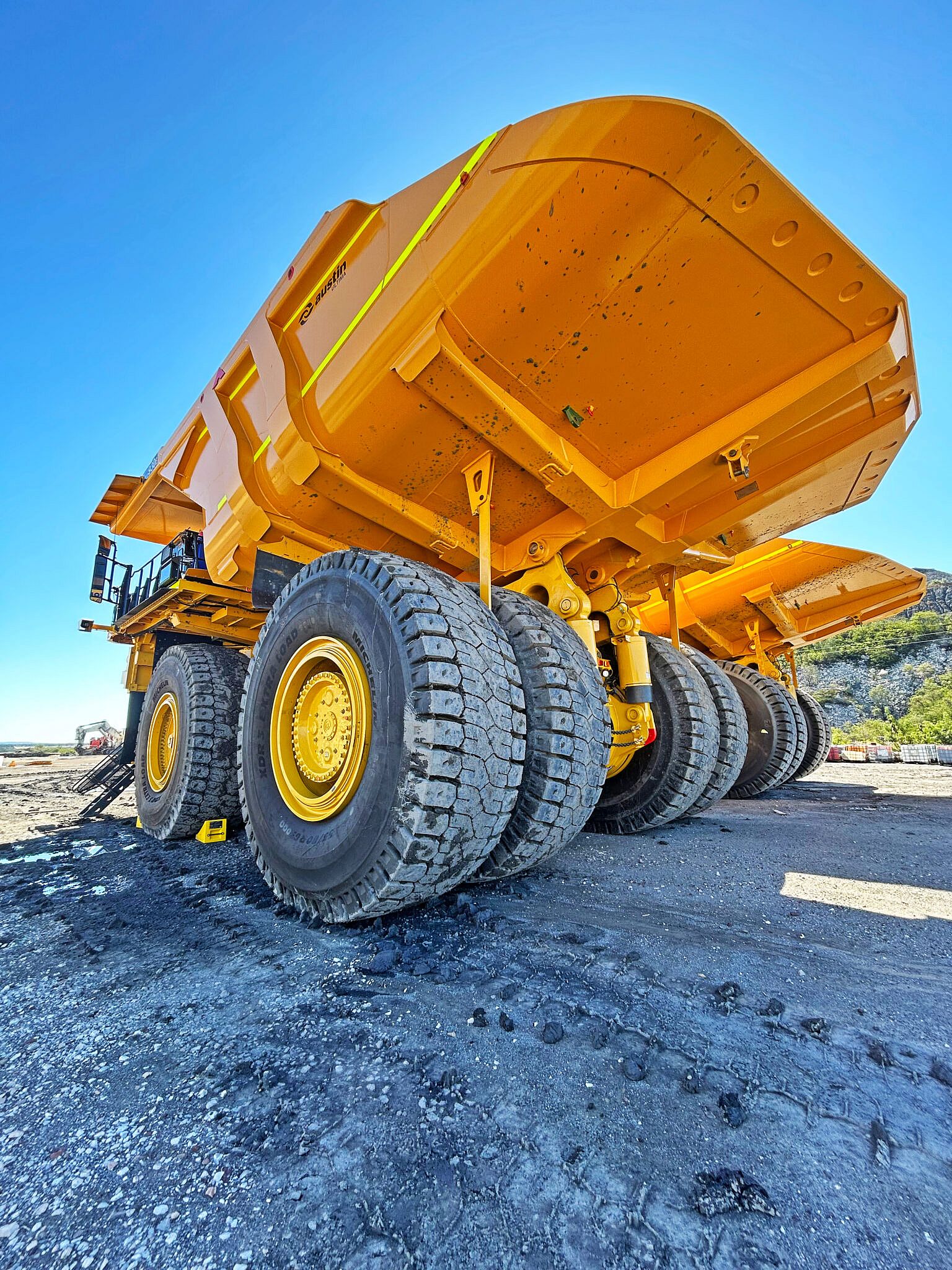
The latest installation on site utilises the latest MIC technology and was deployed across nine Komatsu 930E-5 trucks.
“We’ve taken everything we learned from the first-generation system and refined it. The solution is now fully contained within a single unit, simplifying both installation and ongoing servicing while maintaining the same high level of protection,” explained the Project Manager.
While this phase of the project involved installing the technology across nine trucks, it forms part of a much larger, ongoing project. Over the years, we have fitted the technology across a substantial number of the site’s existing truck fleet, with this latest installation representing just one small component of the broader project.
This site is a significant operation in the region’s coal sector, employing a large fleet of earthmoving and haulage equipment daily. With the installation of the MIC Version 2 and EMESRT Level 9 integration, operators now benefit from a system that proactively reduces risk and enhances workplace safety.
As with all of RCT’s agnostic solutions, the MIC can be installed on virtually any truck, regardless of make or model, offering mining operators flexible safety solutions across diverse fleets. This compatibility ensures that both new and existing equipment can benefit from advanced collision avoidance and operator assistance technologies.
This project underscores RCT - Powered by Epiroc’s ongoing mission to lead in innovative, operator-focused safety systems, leveraging cutting-edge technology to make mining safer and more efficient.
###
For media enquiries, please contact:
Emma Young, RCT Communications Officer
RCT – Powered by Epiroc has been supplying machine control and automation systems to a prominent silver and lead mine in Queensland for nearly 30 years, supporting its fleet of underground LHD loaders through a long-standing partnership.
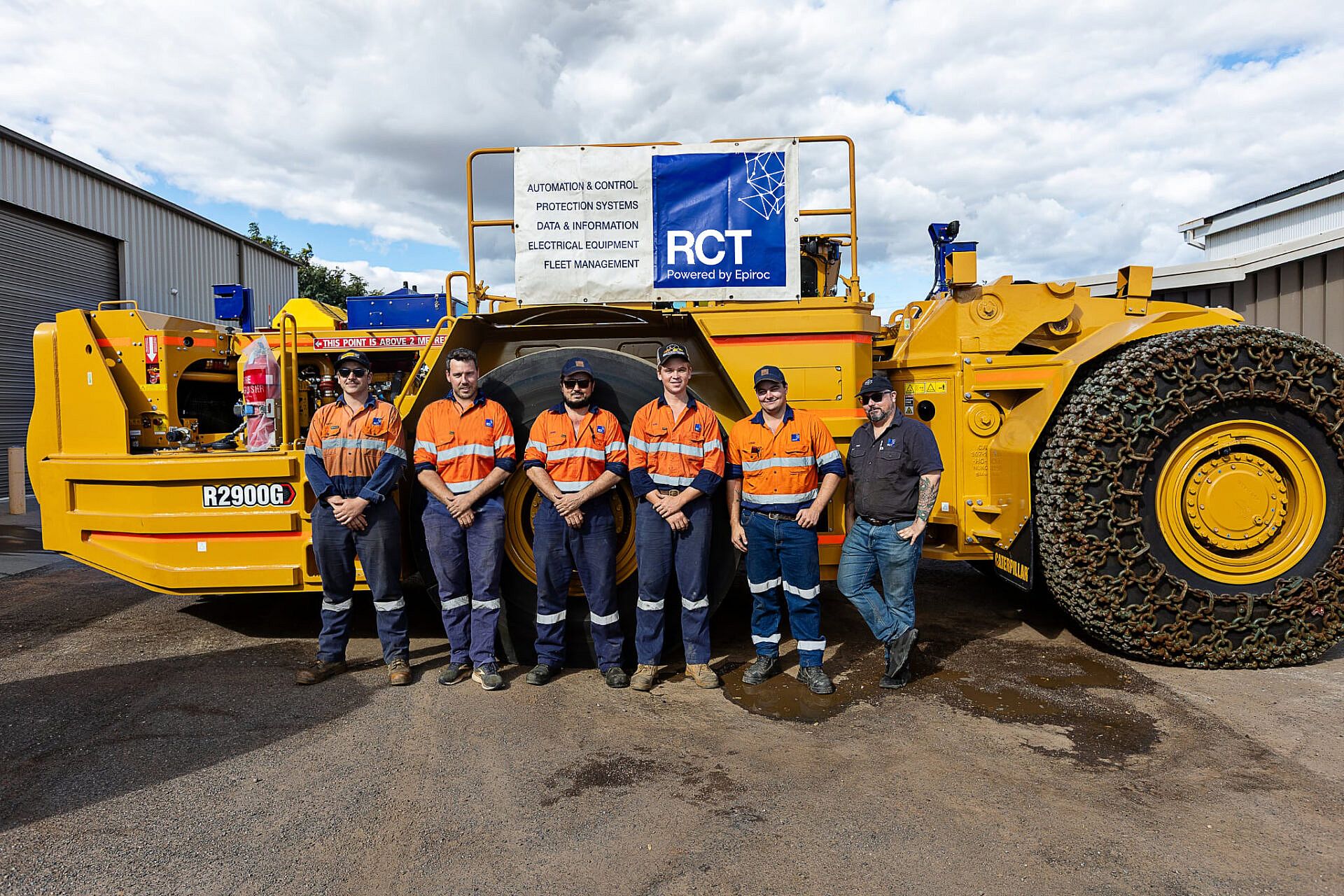
The site currently operates RCT’s multi-machine solution, AutoNav, across its production loader fleet and, last year, introduced four new Cat R2900G underground LHDs to replace older machines. These additions further enhance safety and productivity on site.
“All four installations were completed by RCT technicians at our Mount Isa branch, with the fourth loader, an NLK R2900G, being the last of its kind ever sold by Caterpillar,” said RCT Mount Isa Branch Manager, Danny Ballard.
“The R2900G model has been a prolific underground loader, and this final sale truly marks the end of an era.”
The well-established mine comprises an underground hard-rock mining operation and a surface processing facility.
Currently, operators control the underground LHD loader fleet from multiple AutoNav Centres located both on the surface and underground.
This setup removes operators from the machine cab, placing them in safer and more comfortable environments while maintaining full operational capability and reducing exposure to underground hazards.
“Automating underground loaders significantly improves operator safety while delivering stronger business outcomes for the mine,” said Mr Ballard.
“When sites use our technology, operators are removed from harm’s way and placed into safer, more comfortable environments. That’s good for people and productivity.”
The site began using RCT’s Tele (tele-remote) systems in the late 1990s and was among the first sites to adopt AutoNav. It also became one of the earliest operations to remotely operate loaders from the surface.
“The site has been a loyal customer for many years, and we continue to work closely together as they invest further in automation,” Mr Ballard said.
Approximately 18 months ago, the site upgraded to RCT’s digital communications system, improving underground wireless capability, system reliability, and visual clarity.
“We look forward to continuing to support the team on their automation journey, made possible through our OEM-agnostic, scalable, and adaptive technology,” Mr Ballard added.
###
For media enquiries, please contact:
Emma Young, RCT Communications Officer
RCT – Powered by Epiroc is proud to have played an integral part in the reopening of a prominent Canadian Nickel mine as it moved into open pit mining last year.
The mining services company, leading operations at the site, teamed with RCT to ensure a safe and efficient operation with the implementation of our agnostic automation.
RCT’s Canadian branch was sought after to implement the automation on site as a preventative measure to mitigate risks expected with the mine’s transition from underground to surface mining.
“Because the earth underground has been mined for some years, it’s important that any work done on the surface is done with care due to the voids,” said RCT’s Account Manager, Kole Paulin.
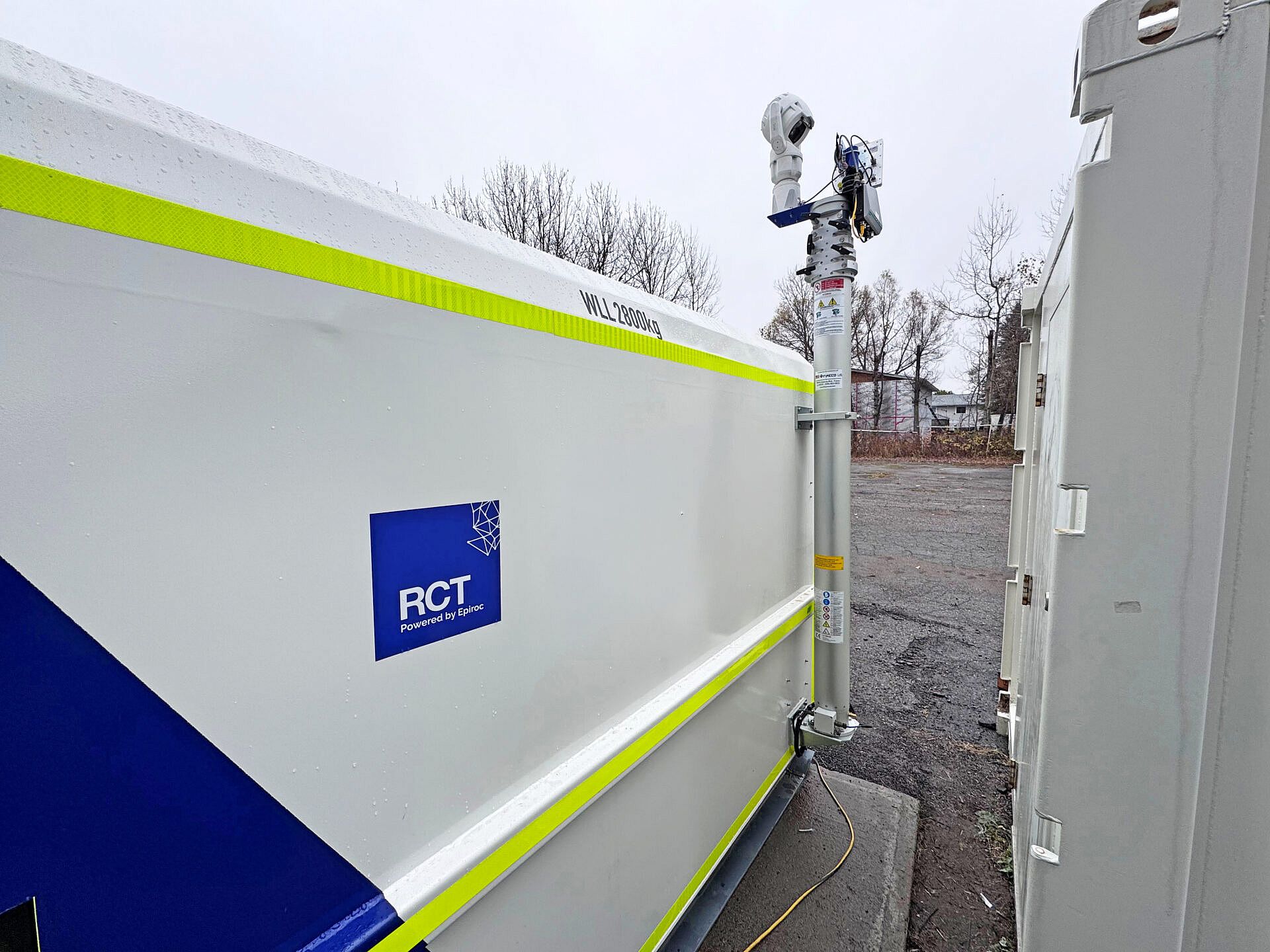
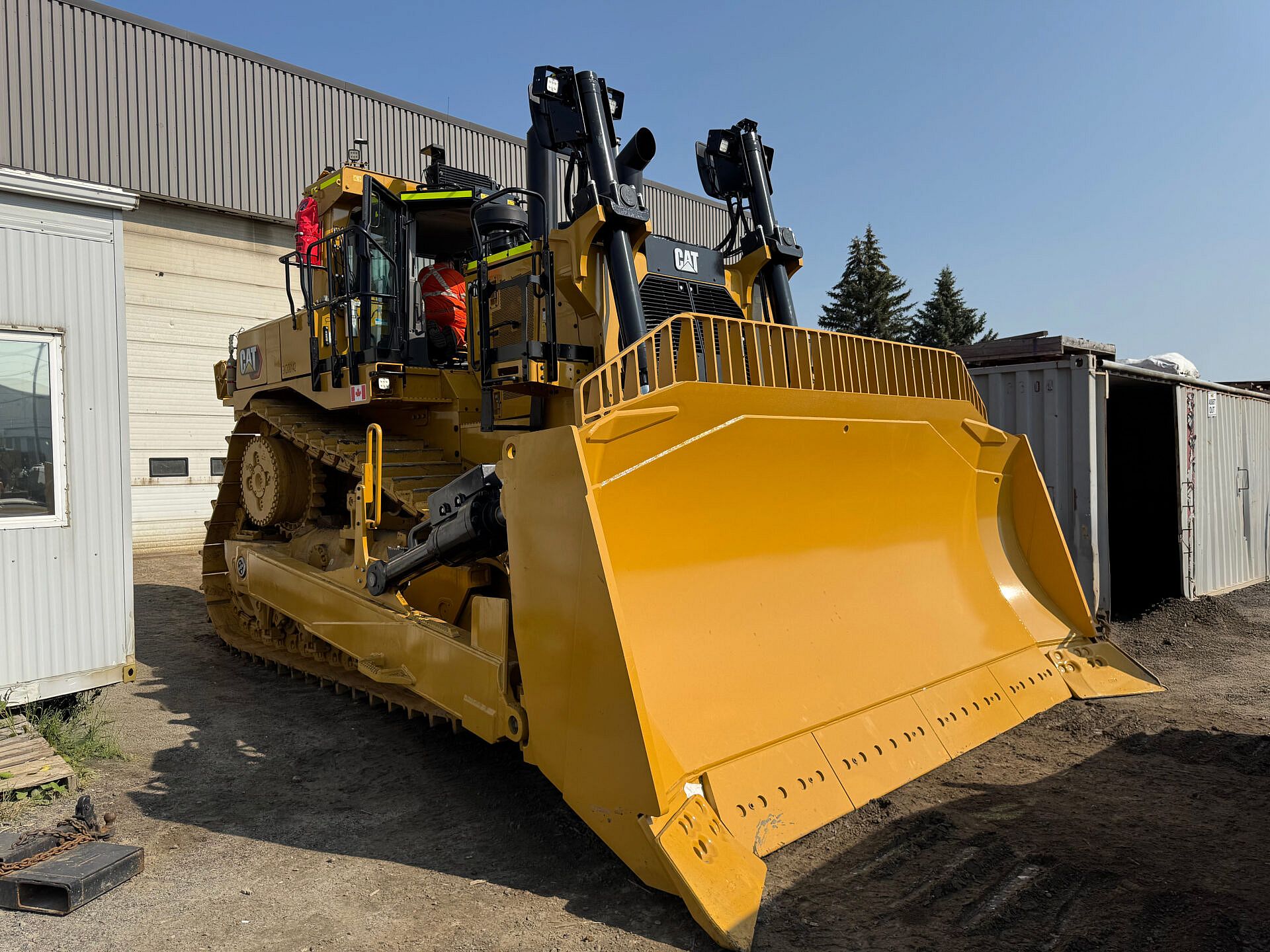
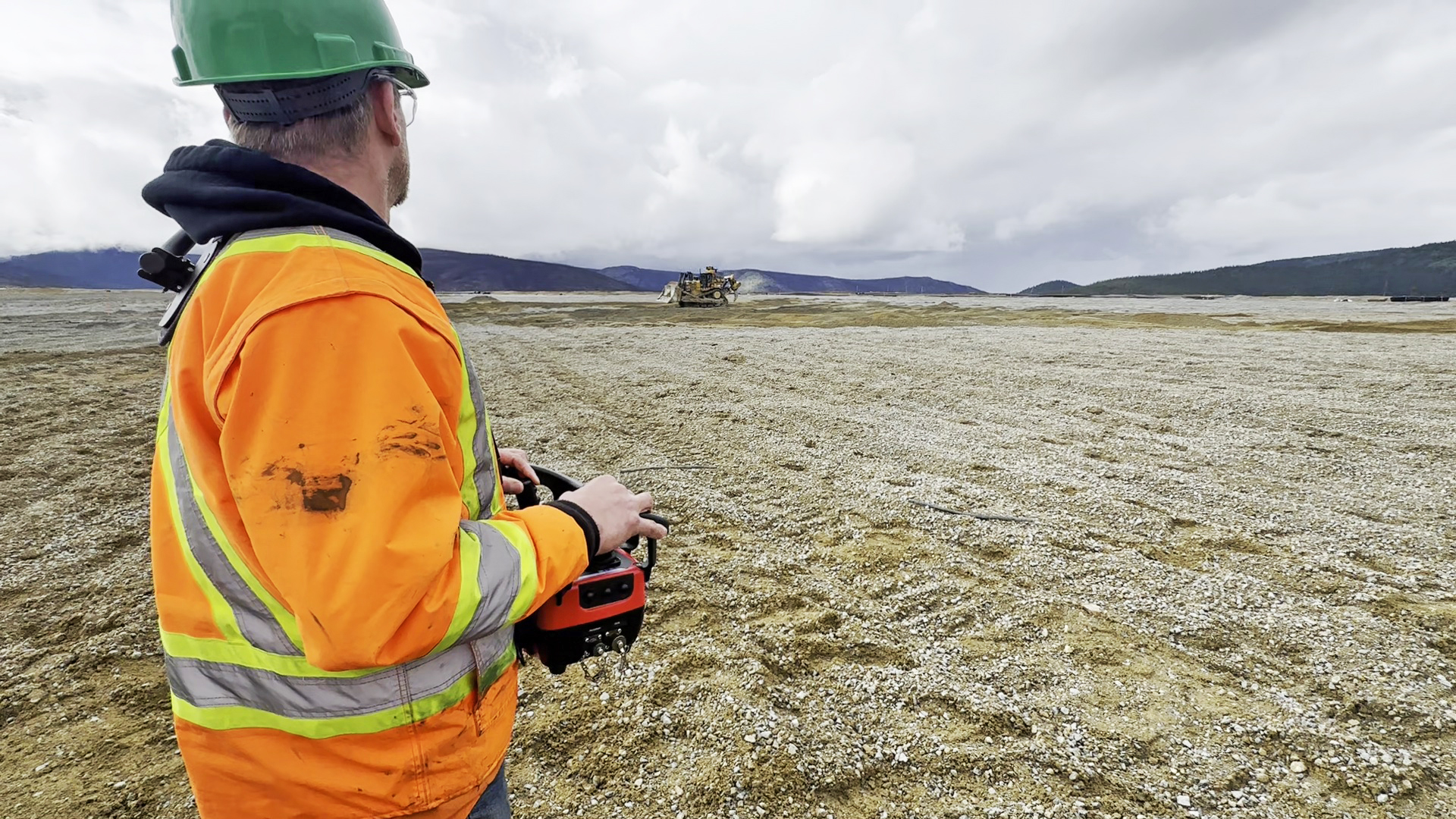
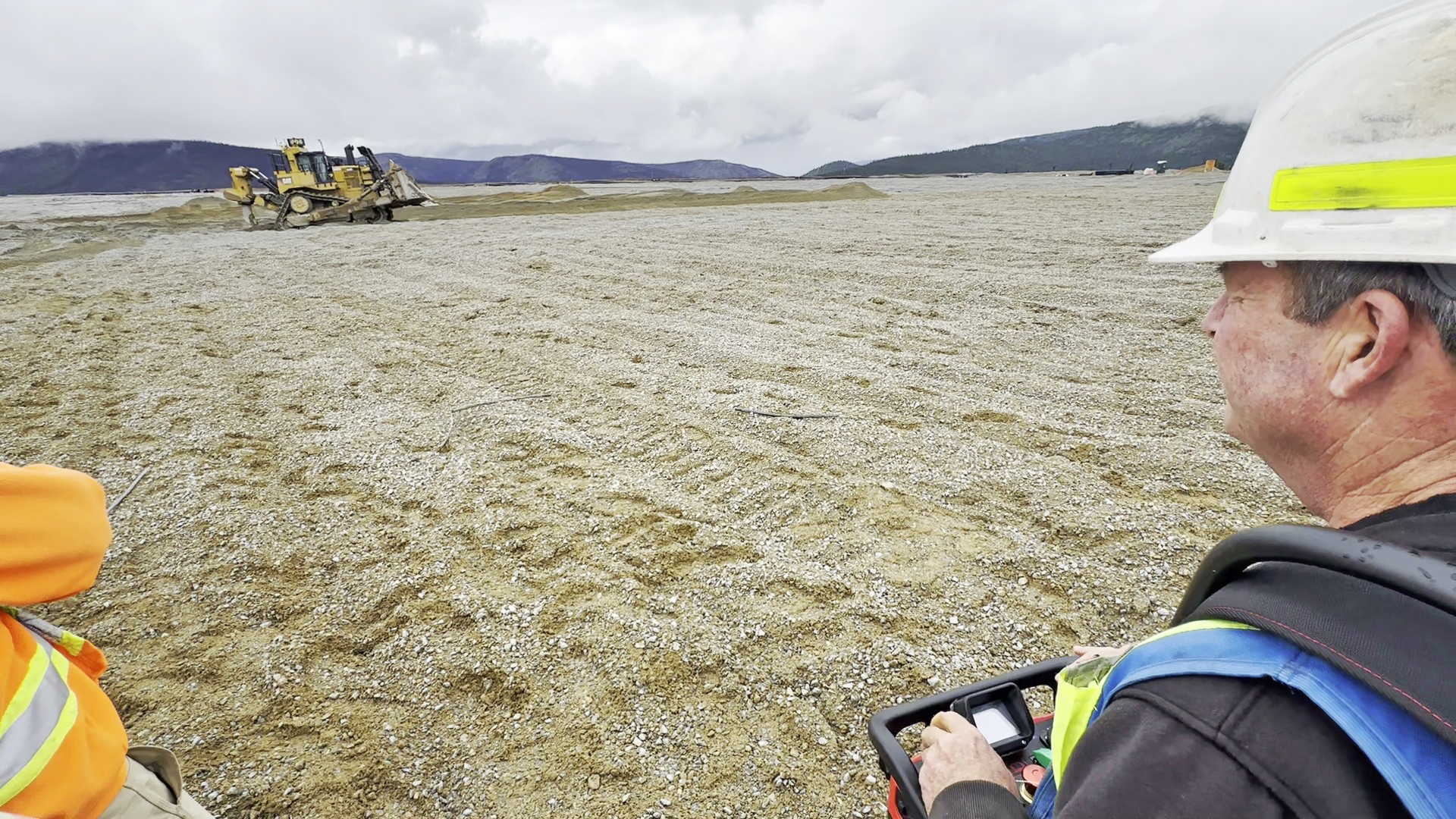
As a result, RCT has its agnostic AutoNav Tele installed on two CAT D10 dozers and a CAT 992 Wheel Loader.
“RCT can remote any make and model of machine, but this was the first opportunity we had to remote this specific model of Wheel Loader,” added Mr Paulin.
This state-of-the-art technology allows operators to be relocated from the machines to a more secure area where they can operate the machines safely.
In this instance, operators were relocated to an AutoNav Cabin, complete with an ergonomic chair and temperature control, resulting in improved operator comfort and reduced fatigue.
“This mining region experiences extreme cold, reaching -20 degrees. Removing operators from the machine is beneficial for overall health and job enjoyment,” said Kole.
RCT was also responsible for implementing communications on site, this was navigated by the team who had to factor in the extreme weather conditions to ensure an effective and reliable comms solution.
“RCT is unique in that we can provide multiple proven solutions to help our clients achieve their goals,” he said.
RCT also delivered a communications solution and Geofence Zone, helping to improve safety and operational efficiency in a challenging environment.
In addition to the successful implementation of cutting-edge technology, RCT also provided training to staff so they can be self-sufficient on site.
Installation was completed by the RCT team, including Technical Specialist, Keegan Koertzen and feedback has been very positive.
“Having Keegan on the team for this project made it a seamless process,” said Mr Paulin.
The successful implementation has enabled the mining services company to safely transition to surface mining operations, while leveraging RCT’s automation, safety and communications technologies to improve efficiency and protect personnel in a challenging environment.
###
For media enquiries, please contact:
Emma Young, RCT Communications Officer
RCT – Powered by Epiroc is proud to have supported the rapid deployment of AutoNav Lite (semi-automation) on two dozers, helping to accelerate stabilisation and remediation activities at a major gold mining operation in Northern Canada.
The project involved commissioning two remotely operated dozers to undertake critical works within controlled areas of the operation, enabling operators to manage ground conditions from a safe environment.
From approval to commissioning, the project was completed to meet the grave situational needs.
“This was significantly faster than the typical build and deployment cycle for comparable automation solutions,” said RCT’s Global Operations Manager, Rick Radcliffe.
The equipment was manufactured, assembled and shipped from RCT – Powered by Epiroc’s facilities in Brisbane and Perth before being transported to Canada for installation and commissioning.
RCT worked alongside technicians from Epiroc and local site teams to integrate the solution onto two Caterpillar D10 dozers, which are now operated remotely from dual AutoNav Centres established on site.
Operators are not only removed from potential danger, but they are also able to carry out operations while increasing productivity on site.
RCT experts, including Andrew Taylor, Keegan Koertzen and Adam Gough, led on-site commissioning and operator training, ensuring operators could quickly transition to AutoNav Lite operations effortlessly.
“The project highlights how the team can work together to meet urgent operational requirements at short notice,” said Mr Radcliffe.
###
For media enquiries, please contact:
Emma Young, RCT Communications Officer
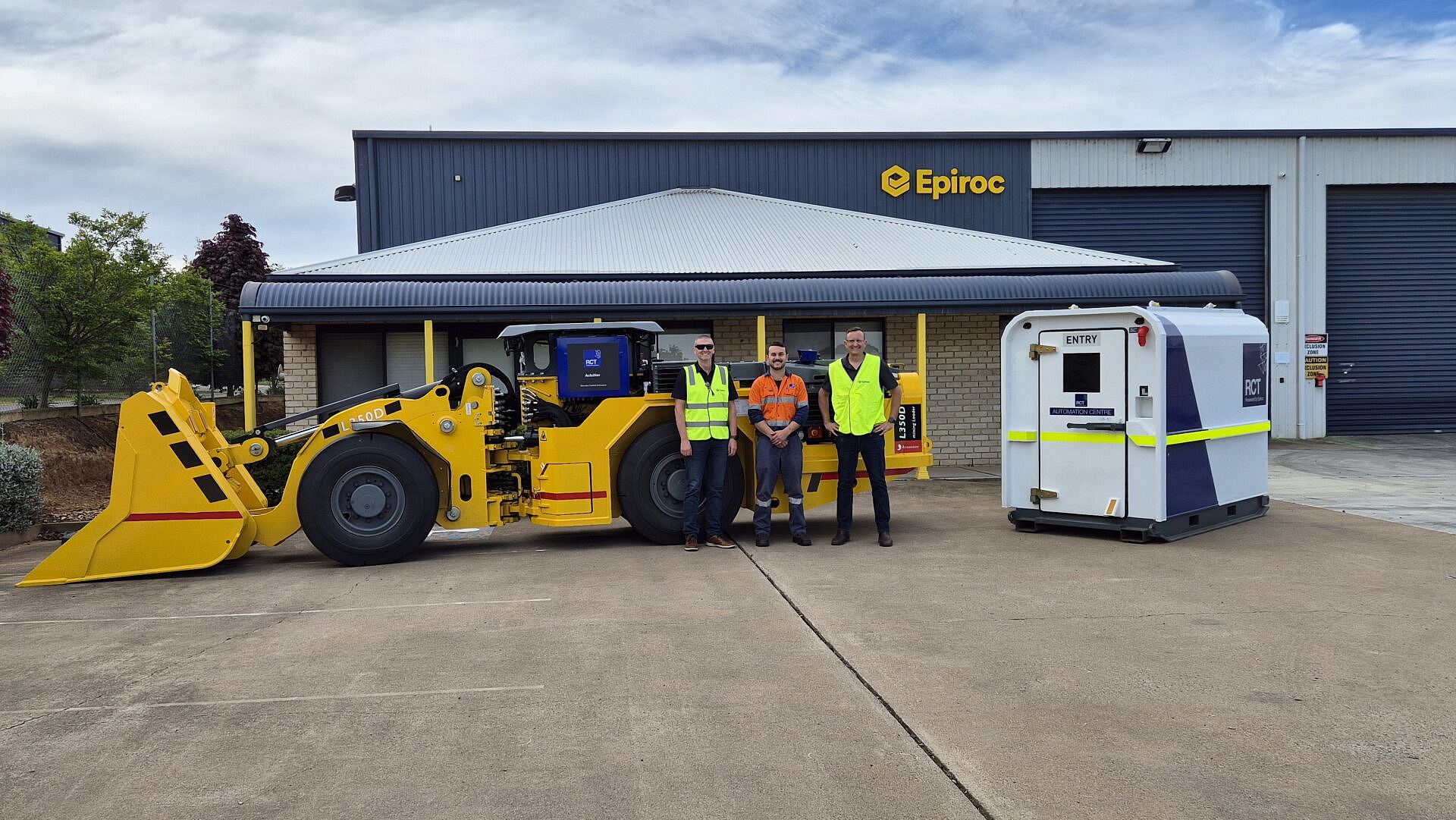
RCT - Powered by Epiroc's AutoNav Tele (tele-remote) is enhancing narrow vein mining at the Vertex-operated Reward Gold Mine site at Hill End.
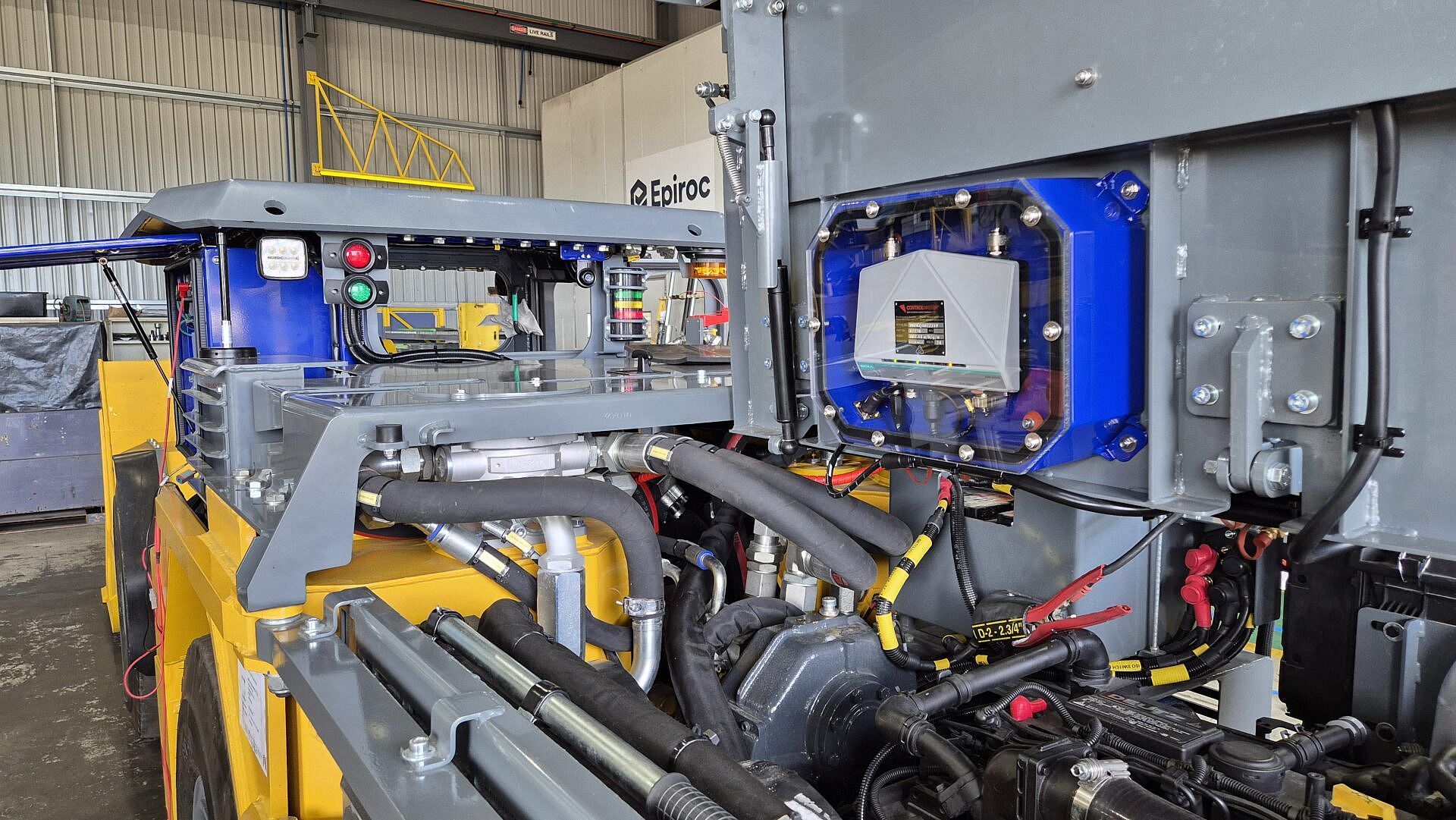
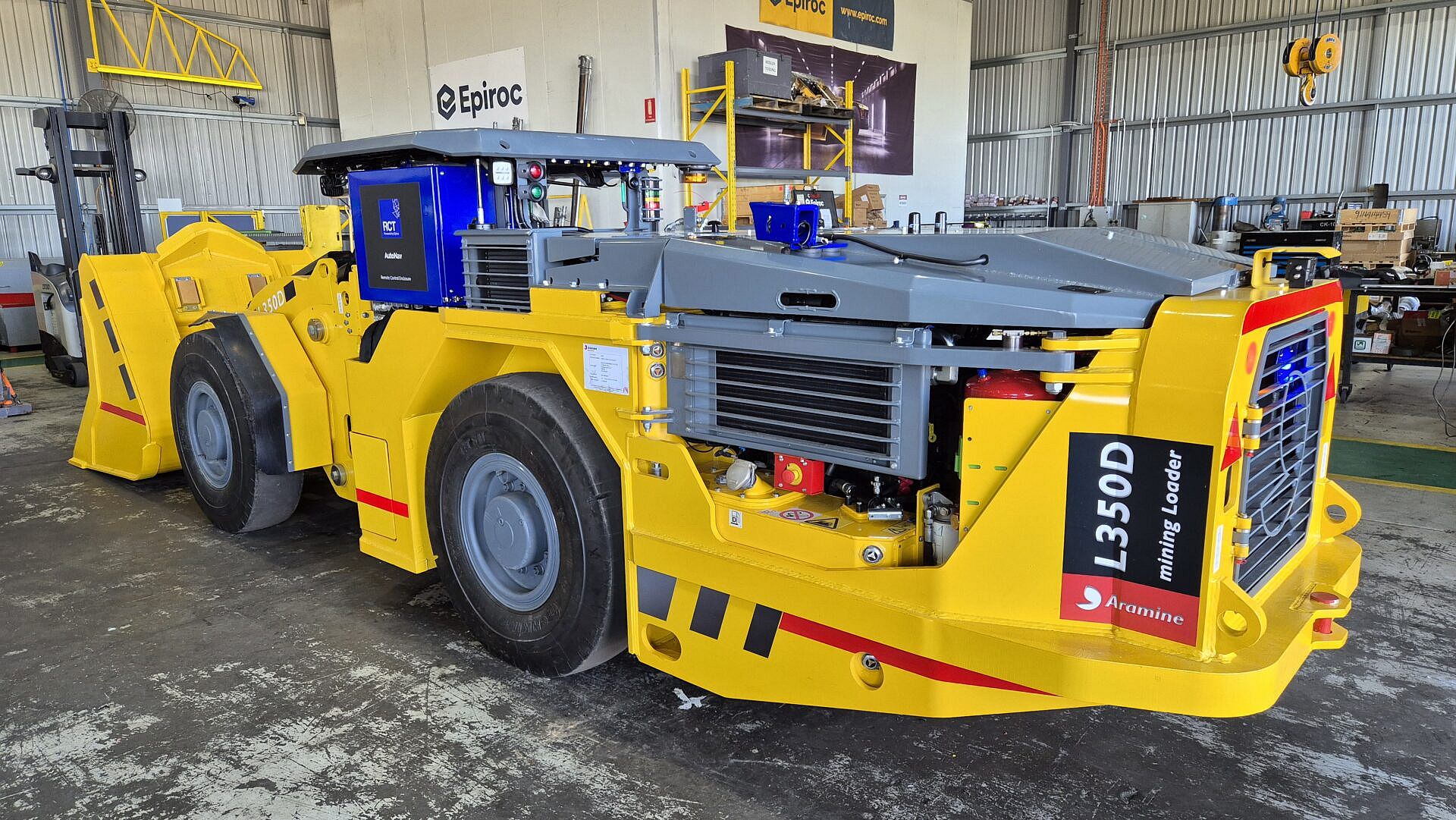
The state-of-the-art, agnostic automation technology has been installed on the Aramine L350D mining loader, which recently arrived from France to Epiroc's Orange Service Centre.
The small underground loader is uniquely designed for narrow vein mining, making it the perfect fit for the mining operation in New South Wales, Australia.
The historic gold mining town lay dormant for decades after mining operations ceased around 2010. Today, the site is undergoing a revival with the construction of a brand-new plant tailored for small-scale mining.
"This is more than just a machine installation," said East Coast Branch Manager, Owen Perrott.
"We're introducing technology that can access areas previously unreachable, in this narrow vein mine, unlocking gold reserves left behind for decades," he added.
With the Aramine machine, Vertex aims to efficiently extract gold from narrow, hard-to-reach veins, demonstrating the potential for innovative technology in small-scale mining operations.
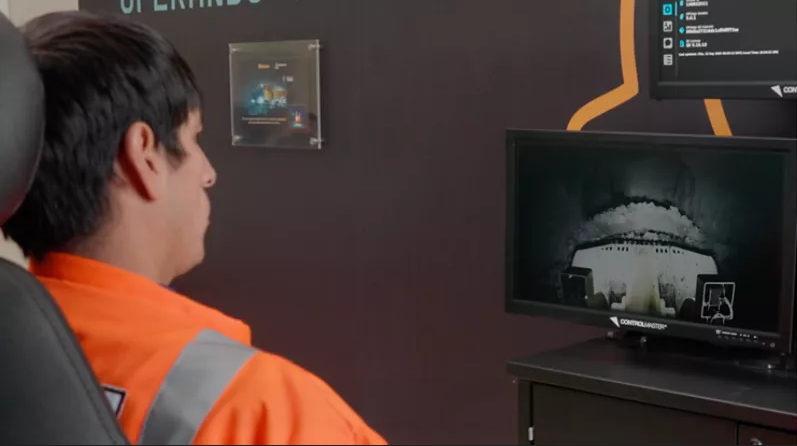
RCT's AutoNav Tele allows operators to control the loader with the same functionalities from a safe location, removing them from the machine and allowing it to access the narrow vein mines with ease.
This is the first time the team has installed its technology on Vertex's Aramine loader, and we are proud to be the technology provider of choice for the project.
"Design was completed in collaboration between our experienced Field Service Technician, Tim Halstead, based in Orange, and the Brisbane Branch team," said Mr Perrott.
The installation was challenging due to the machine’s size and limited available space and required the team to collaborate with Aramine to ensure the machine met Australian Standards.
In addition to this, a custom "mini" AutoNav hut was designed and delivered on site to cater to the client’s specific needs.
The mini hut is not typically used at most sites, as it is approximately half the size of a standard AutoNav Centre. This introduced space constraints for the hardware; however, Vertex needed a mini hut to accommodate their mine structure and small portal.
"Due to the demand, I have been receiving from other sites for smaller hut offerings, I thought it would be a good opportunity to design a layout for one, from the ground up," said Mr Perrott.
"The client was extremely happy with the layout and quality of the finished product, and mentioned we should be making more of them, particularly with the previously less profitable small mines coming back to life with the current gold price," added Mr Perrott.
###
For media enquiries, please contact:
Emma Young, RCT Communications Officer
Alpayana and Epiroc have reached a major milestone in Peruvian mining by automating the country’s first Load Haul Dump (LHD) using the agnostic AutoNav solution, a technology that enables remote control of multiple units and strengthens a scalable, safe, and efficient operating model.
With the opening of the WIRAQ Control Room at the Morococha Mining Unit and the implementation of Epiroc’s AutoNav technology, operators can now monitor and operate equipment simultaneously and remotely, without needing to physically enter the mine.
At more than 4,300 meters above sea level, mining operations face critical challenges in access, safety, and connectivity. The ability to operate underground equipment from the surface-level WIRAQ Control Room accelerates the transition toward a safer, more efficient, and more sustainable operation.
This milestone marks the beginning of a new era for underground mining in Peru.
“At Alpayana, we are committed to innovation, safety, and efficiency, and the inauguration of the WIRAQ Control Room at the Morococha unit is proof of that commitment. Thanks to our partnership with Epiroc, we have implemented state-of-the-art technology that enables us to operate equipment autonomously, reduce risks, and optimize processes,” said Alessandra Mandriotti, Manager of Transformation, Talent and Technology at Alpayana.
“At Epiroc, we have automated more than 1,300 underground loaders worldwide, consolidating our expertise in smart mining through agnostic solutions. In Peru, we have already implemented these automation solutions in open-pit mining. Today, we celebrate a new milestone together with Alpayana: the commissioning of the first automated loading unit in underground mining. This achievement reaffirms our commitment to driving innovation and safety across the mining industry,” said Dewi Cano, Business Line Manager, Andean–Caribbean Region.
###
For media enquiries, please contact:
Emma Young, RCT Communications Officer
RCT - Powered by Epiroc are proud to have worked with Fortescue at its flagship iron ore mine and production site, Solomon to further grow their Non Line of Sight (NLOS) fleet on site and in turn further drive efficiency and productivity.
The company, well-known in the industry for its autonomous operations, has now added five NLOS excavators to its ever-expanding fleet, thanks to the team at RCT- Powered by Epiroc.
RCT’s Perth Solutions Team was tasked with the design, installation and commissioning of two CAT 350 Excavators and four D10T Dozers with AutoNav Tele, RCT’s Teleremote control solution, which allows the operator to control the machines from the comfort of an automation centre.
“It allows them to comfortably control machines in real-time with the help of strategically placed cameras and sensors,” said RCT’s Solutions & Customer Service Manager for RCT Perth, Steven Appleton.
Even though the operator is removed from the cab of the machine, they receive real-time data through a graphical interface and a touch display which provides them with instant access to machine data and operational insights.
“While AutoNav Tele is stage 2 of RCT’s Automation journey, our technology range is fully scalable and can grow with Solomon’s mining needs, if necessary,” he added.
At Solomon these automated machines are used as ancillary machines for rock breaking and tray cleaning (back scratching) as required on site.
“This task requires an operator to control the machine for very short bursts of time, meaning there was a lot of coming and going which is quite time consuming and results in lost time,” said Mr Appleton.
“Our AutoNav Tele technology eliminates this downtime by removing them from the cab of the machine and allowing them to attend to a number of other tasks in the interim, instead of having them sit idle in the machine, waiting to be picked up each time.”
At Solomon the operators are controlling multiple machines from an AutoNav Centre, located in an office location on site, which also plays a part in reducing downtime associated with shift changeovers etc.
RCT training was also provided to operators and maintenance staff to ensure the technology can be self-sufficient on site.
Our technology has been in place some time now and the feedback from the client has been positive.
###
For media enquiries, please contact:
Emma Young, RCT Communications Officer
A prominent mine in New South Wales, Australia, took a significant step forward in the modernisation of their equipment and operations by going digital with RCT - Powered by Epiroc.
Renowned for extracting tin, lead, and zinc, the site's commitment to innovation has led to this upgrade which will ensure greater efficiency, safety, and sustainability on site.
For years, the site has successfully operated a fleet of CAT 2900s using RCT’s analogue system.
Recently the decision was made to transition their production fleet of CAT 2900s to a full digital system - AutoNav Lite, allowing the site access to enhanced diagnostics and predictive maintenance.
Operators control the Automated LHD machines from customised Telecabins, mounted to Toyota Land Cruiser Utilities.
Now, with the implementation of a digital operation, they can monitor machinery status, from these vehicles without needing to go back to a central control room to observe/diagnose the LHD information.
This significantly increases operational efficiency and improves safety by reducing the time workers spend in potentially hazardous underground areas.
Although these cabins were already in operation, they underwent a customised digital hardware upgrade to meet the site’s specific needs. This included network management, and connectivity, ensuring that even the most remote areas of the mine are always connected.
The site’s move to digital is only the beginning. The company plans to continue refining and enhancing its systems to further optimise machine performance. With new hardware and technology being developed at a rapid pace, the mine owner has an eye on further innovations that will keep the mine at the forefront of the industry.
This digital transition not only strengthens the mine’s operational capabilities but also positions the site as a leader in mining innovation adoption.
For media enquiries, please contact:
Emma Young, RCT Communications Officer
Catalyst Metals' Plutonic gold mine in North Meekatharra, Western Australia, has made the transformative move from analogue to digital operations in preparations for the future of mining technology thanks to RCT - Powered by Epiroc.
This upgrade is not limited to new equipment but also includes comprehensive upgrades to existing machines, including Sandvik and CAT loaders with the implementation of RCT's AutoNav package.
This state-of-the-art technology allows the mobile machines to navigate autonomously with higher precision, ensuring increased productivity and a better overall working environment for operators.
A major highlight of this transition is the adoption of modular platforms, allowing operators to control the loaders from inside the comfort of a light vehicle that they can drive to the working stope. With distances between stopes ranging from 3 to 5 kilometres, this provides a flexible and scalable solution for the site which further drives operational efficiency. In addition, these platforms are designed for easy integration with the newly upgraded digital systems on-site, ensuring seamless communication and data transfer across vast areas of the mine.
To support this digital evolution, the site also upgraded its communication network with RCT Connect, our very own advanced digital Wi-Fi solution.
This upgrade allows operators and maintenance teams to access real-time diagnostics and receive alerts about potential issues before they lead to costly downtime.
Furthermore, the digital systems come with higher tolerance and precision, reducing the likelihood of overheating and other mechanical problems that are often associated with analogue. Therefore, the result is not just improved performance, but also longer equipment lifespans and lower maintenance costs.
This latest transition from analogue to digital represents a pivotal, forward-thinking approach to modern mining, reinforcing Plutonic's commitment to innovation and shaping a more sustainable and technologically advanced future.
###
For media enquiries, please contact:
Emma Young, RCT Communications Officer
The foundations for RCT were laid by the desire of one man to safeguard those working in a notoriously dangerous industry and ensure their return home to their families at the end of the working day.
From here, RCT's Muirhead Protection range became the cornerstone of the company, evolving to protect both operators and machines. More than 50 years later, the Protection product range remains relevant, saving lives and reducing wear and tear on machines worldwide.
The Muirhead Protection range includes a variety of products, such as Idle Timers, Speed Limiters, Park Brake Interlocks, Fatigue Monitoring, Incline Controllers, and Engine Protection. These solutions were designed in conjunction with end-users for maximum effectiveness in real-world scenarios.
Primarily designed to safeguard operators, every solution also enhances machine availability and longevity, significantly boosting the client's bottom line. While the solutions are still in demand, the leading products differ depending on the target audience.
For example, Fuel Cap Isolation is highly popular in underground mining, whereas Raised Tray Warning systems are best sellers in surface mining.
"A very common occurrence in the industry saw miners drive off with the fuel nozzle still in the fuel tank," said RCT's General Manager, Dave Holman.
"This was due to simple distraction while performing this mundane task." This often caused thousands of dollars in damage to the fuel station and machine and resulted in wasted fuel.
The Fuel Cap Isolation solution is a simple yet effective device that ensures the machine (any make or model) remains locked out and in a safe state during refuelling.
In surface mining, the Raised Tray Warning system is the most popular. This device prevents damage by limiting the tray's raised angle, restricting it from going too high for the space. "This common occurrence caused damage to the machine and work area. This simple device alerts the driver before any damage occurs," said Mr Holman.
Over the years, the range has evolved significantly. While new products are no longer released as frequently, RCT has focused on refining the existing range. "The solutions work well in key areas of the industry, so we looked at consolidating multiple devices into one controller," said Holman.
"Where we once had a machine fitted with four controllers, we now have one controller that does the job of all four."
"It's this innovative thinking that has kept RCT relevant for 50+ years," said Holman.
Discover more about how RCT's Muirhead Protection range can safeguard your operations. Visit the Protection page, download the brochure, or xxxxx xx to see how our innovative solutions can benefit you.